
Old Dog Losing Weight: When It's Normal Aging and When It's

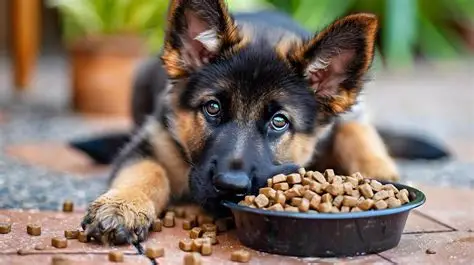
Is your senior dog losing weight? Learn the common causes, warning signs, diagnosis, treatment options, and when it's time to see a vet.
You run your hand down her back the way you have a thousand times before, and this time your fingers catch on something new — her spine, sharper than you remember, her ribs a little easier to find. She's still eating her usual bowl, still trotting to the door when the leash comes out. So why does your senior dog look thinner every week?
Weight loss in a senior dog is one of those changes that creeps up quietly, and by the time you notice it, you're usually left wondering whether it's just "old age" or something that needs urgent attention. In this guide, I'll walk you through why senior dogs lose weight, which causes are harmless and which need a vet visit this week, and what you can actually do at home to help your senior dog hold onto a healthy weight.
Why Weight Loss Happens in Senior Dogs
As dogs age, their bodies become less efficient at almost everything — digesting food, building muscle, regulating hormones, and fighting off low-grade inflammation. Some senior dogs naturally lose a small amount of muscle mass over the years even when perfectly healthy, a process vets call sarcopenia. This kind of senior dog weight loss is slow, mild, and not paired with other symptoms.
But unexplained or rapid weight loss in a senior dog is a different story. According to veterinary guidance, losing more than 10% of normal body weight is considered significant and warrants a full medical workup, regardless of how well your dog seems to be eating. The reason this matters so much in senior dogs specifically is that weight loss is often the very first visible sign of a disease that's been developing quietly for months.
Signs and Symptoms to Watch For
Visible Rib and Spine Changes
Running your hands along your senior dog's sides weekly is one of the most useful habits you can build. Ribs that are suddenly easy to feel, or a spine that feels more prominent than it did a month ago, is often the earliest physical clue of weight loss — sometimes before a scale would even show a dramatic change.
Weight Loss Despite Normal Eating
This is one of the most confusing patterns for owners. A senior dog losing weight but still eating normally usually points toward a condition affecting how the body uses or absorbs nutrients — such as diabetes, hyperthyroidism, kidney disease, or a digestive disorder — rather than a simple appetite problem.
Reduced Muscle Over the Hips and Back Legs
Senior dogs commonly lose muscle mass in their hindquarters before anywhere else. This can look like weight loss but is often connected to reduced activity, arthritis, or a slow decline in mobility rather than a primary nutritional issue.
Lethargy or Reduced Activity Alongside Weight Loss
If your senior dog seems more tired, slower to get up, or less interested in walks at the same time their weight is dropping, this combination is more concerning than weight loss alone and points toward an underlying medical cause.
Changes in Coat or Skin Condition
A dull, dry, or thinning coat alongside weight loss can be a sign of organ disease, hormonal imbalance, or nutritional deficiency, and is worth mentioning specifically to your vet.
Diagnosis: What the Vet Checks
If you bring in a senior dog for unexplained weight loss, your vet will usually start with a thorough physical exam and a detailed history — including how long the weight loss has been happening, whether appetite has changed, and any other symptoms you've noticed. From there, common diagnostic steps include:
Bloodwork: A full panel can flag kidney disease, liver disease, and diabetes, and check thyroid hormone levels for hyperthyroidism or hypothyroidism
Urinalysis: Helps assess kidney function and rule out diabetes or urinary infections
Fecal testing: Checks for intestinal parasites, which can quietly drain nutrients even with a healthy appetite
Dental exam: Painful teeth are a surprisingly common, easily missed cause of reduced eating and weight loss in senior dogs
Imaging (X-rays or ultrasound): Used when bloodwork is inconclusive or cancer is suspected, especially with rapid or severe weight loss
The eight conditions most frequently behind unexplained senior dog weight loss are kidney disease, liver or gallbladder disease, heart disease, diabetes, dental disease, arthritis, dehydration, and cancer. Most of these are very manageable once identified — the danger lies in leaving weight loss unexplained for months.
Treatment Options
Treatment depends entirely on the underlying cause your vet identifies:
Kidney or liver disease: Managed with prescription renal or hepatic diets, medication, and regular monitoring
Diabetes or hyperthyroidism: Controlled with medication or insulin alongside dietary adjustments
Dental disease: Often requires a dental cleaning or extractions, after which appetite and weight frequently improve quickly
Arthritis-related muscle loss: Addressed with pain management and supportive joint care, which often improves activity levels and helps slow further muscle loss — see our guide on joint health supplements for what's actually backed by evidence
Cancer: Treatment varies widely by type and stage, and your vet will discuss options based on your dog's overall quality of life
Pure nutritional cause (no disease found): Your vet may recommend a calorie-dense, highly digestible senior diet and a recheck weigh-in within a few weeks
What You Can Do at Home
Weigh your dog every 2–4 weeks. A kitchen scale works for small dogs; most vet clinics will let you use their scale for free between visits for larger dogs.
Feel for changes, not just weight. Run your hands along the ribs and spine regularly — body condition often shifts before the number on the scale does.
Offer smaller, more frequent meals. Senior dogs with reduced appetite often manage 3–4 small meals better than two large ones.
Choose calorie-dense, easily digestible food. Ask your vet whether a senior-specific or prescription recovery diet suits your dog's situation.
Keep a simple log. Note appetite, energy, and any other changes week to week — this is exactly the information your vet needs to narrow down a cause quickly.
Don't wait it out if weight loss is rapid. Gradual, mild weight loss can usually wait for the next routine check-up; sudden or significant loss should be seen promptly.
A Final Word From Dr. Waleed
Weight loss in a senior dog is one of those changes I take seriously every single time, even when the dog in front of me still seems happy and energetic. It's rarely dramatic at first — it's a slightly looser collar, ribs that show up sooner under your hand, a spine that feels different than it did last season. None of that means the worst is happening. Most of the causes behind senior dog weight loss are manageable once we know what we're dealing with, and the dogs who get checked early almost always do better than the ones whose owners waited "to see if it gets better on its own." Trust what your hands are telling you, and bring it to your vet sooner rather than later.
Frequently Asked Questions
My senior dog is losing weight but still eating normally — what does that mean?
This pattern usually points toward a condition affecting how the body uses or absorbs nutrients, such as diabetes, hyperthyroidism, kidney disease, or a digestive issue, rather than simply not eating enough. It's worth a vet visit even if appetite seems completely normal.
Is it normal for a senior dog to lose weight as they get older?
A small, slow loss of muscle mass can happen naturally with age. However, noticeable or rapid weight loss — especially more than 10% of normal body weight — is not considered a normal part of aging and should be evaluated by a vet.
How much weight loss in a senior dog is considered serious?
Most vets consider a loss of 10% or more of a dog's normal body weight significant enough to warrant a full medical workup, even if the weight loss happened gradually over several months.
Can arthritis cause weight loss in senior dogs?
Yes, indirectly. Joint pain often reduces activity and muscle use, and can sometimes reduce appetite as well, leading to a combination of muscle loss and overall weight loss. Managing the underlying pain often helps stabilize weight.
What should I feed my senior dog to help them gain weight back?
Once your vet has ruled out or addressed any underlying illness, a calorie-dense, highly digestible senior or recovery diet fed in smaller, more frequent meals often helps. Your vet can recommend a specific food and feeding plan based on your dog's diagnosis.
How do I check if my senior dog is losing muscle versus just losing fat?
Muscle loss tends to show up first over the hips, shoulders, and along the spine, while fat loss is usually more even across the body. A vet can assess this more precisely during a hands-on body condition and muscle condition score at a check-up.
Have a question about your own senior dog? Send it in for our Ask Dr. Waleed series and I may answer it in an upcoming post.
🩹 Veterinary Disclaimer
This article is written by Dr. Waleed, DVM for general educational purposes only. It does not constitute a veterinary consultation or diagnosis for your specific pet. Always consult a veterinarian before making health decisions for your dog. If your pet is in distress, contact your vet or emergency animal clinic immediately.
Frequently Asked Questions
My senior dog is losing weight but still eating normally — what does that mean?
Is it normal for a senior dog to lose weight as they get older?
How much weight loss in a senior dog is considered serious?
Can arthritis cause weight loss in senior dogs?
What should I feed my senior dog to help them gain weight back?
How do I check if my senior dog is losing muscle versus just losing fat?
Dr. Waleed, DVM
Veterinarian · Grey Muzzle Squad
A veterinarian with a deep focus on companion animal health. Founded this blog to give pet owners access to real, clinical veterinary knowledge ??? without the guesswork.
Read full bio →Comments
Loading comments...
Leave a Comment
More to Read
View All
Why Is My Dog Stiff After Lying Down? Here's What It Really Means
Your dog looks stiff for the first few steps after resting, then walks fine? A vet explains exactly what this pattern means and when to worry

Why Is My Dog Pacing at Night? Dementia, Anxiety & Other Causes
Is your senior dog pacing, panting or confused at night? Learn about canine dementia, anxiety and restlessness.

Why Is My Dog So Itchy? Causes, Treatment & When to See a Vet
Why Is My Old Dog So Itchy All of a Sudden?

Why Is My Dog Drinking So Much Water? Causes & When to Worry
Is your senior dog suddenly drinking a lot of water? A vet explains kidney disease, diabetes, Cushing's and every other cause
Why Is My Dog Breathing Fast While Resting? Causes & What to Do
Is your dog breathing fast while resting? Learn the possible causes, how to check your dog's breathing rate and when it's an emergency.
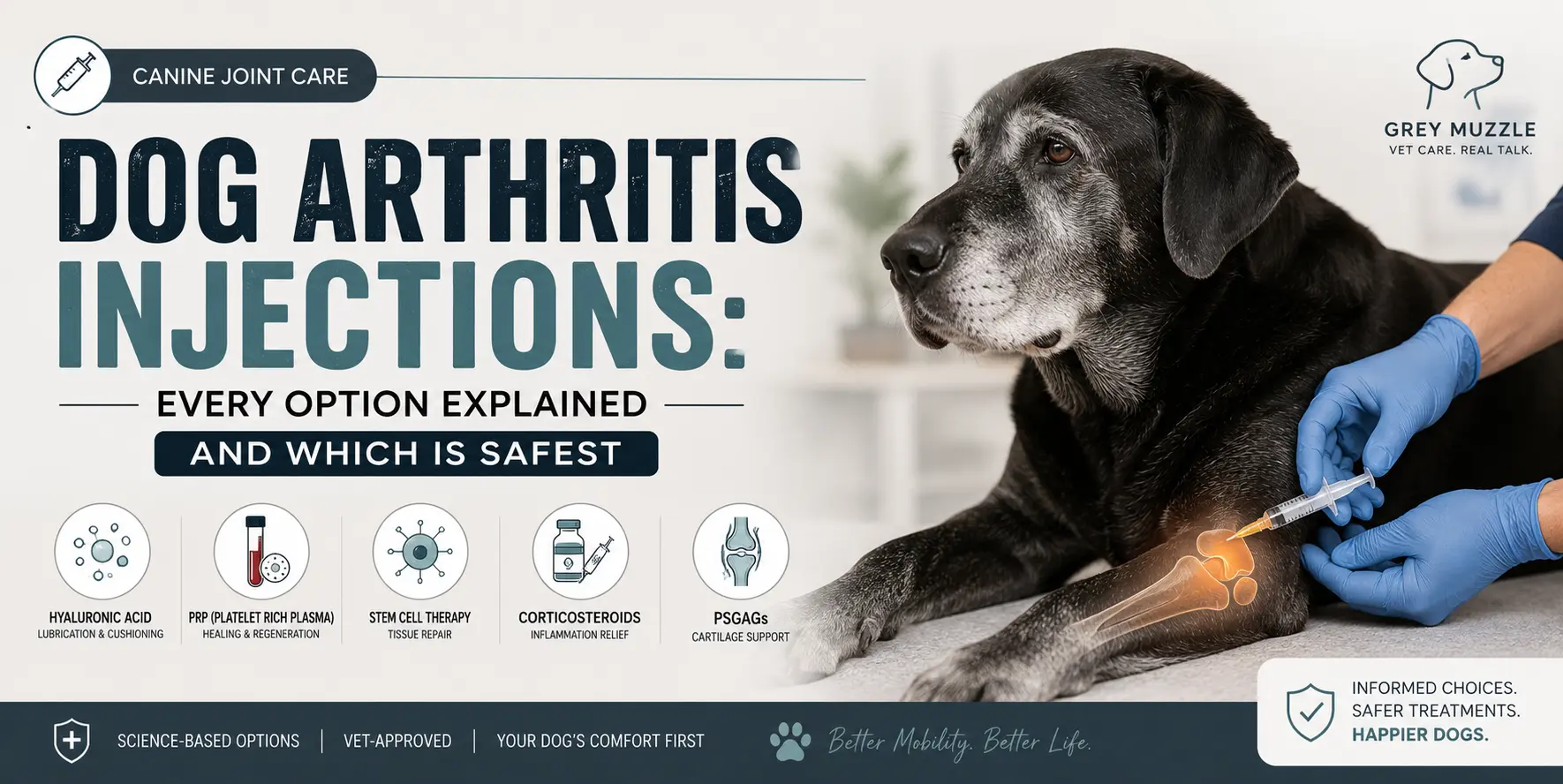
Dog Arthritis Injections: Every Option Explained and Which Is Safest
Confused about dog arthritis injections? Dr. Waleed explains every option — Librela, Adequan, steroids, PRP — what each one does, which is safest, and how to choose.