
My Old Dog Is Not Drinking Water — A Vet Explains Why and What to Do Right Now

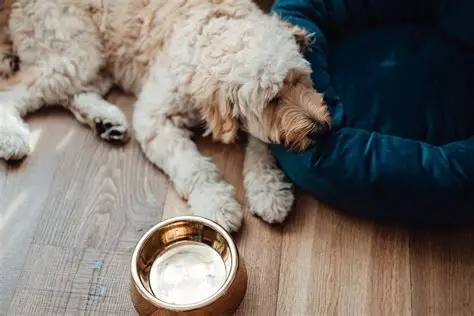
Is your old dog refusing to drink water? Dr. Waleed explains every cause — from nausea and dental pain to kidney disease — and what to do right now before it becomes serious.
You fill the water bowl in the morning like you always do. By evening you notice it is still full. Your dog walked past it twice without touching it. Yesterday they did the same thing. Something feels wrong — and you are right to pay attention to it.
An older dog that stops drinking water is one of the signs I take most seriously in senior patients. Not because it always means something catastrophic — there are simple, easily fixable reasons it happens too — but because when an older dog stops drinking, the consequences of dehydration arrive faster and hit harder than they would in a young dog.
In this guide I am going to explain every significant reason why a senior dog might stop drinking water, how to tell if your dog is already dehydrated, when this needs emergency attention versus a morning phone call to your vet, and the practical things you can do right now to get fluids back into your dog while you figure out what is happening.
How Much Water Should a Senior Dog Actually Be Drinking?
Before you can judge whether your dog is drinking too little, you need to know what normal looks like. As a general guideline, dogs should drink approximately one ounce of water per pound of body weight per day. So a 10kg (22lb) dog should be drinking roughly 650ml of water daily.
But in practice, you do not need to measure this precisely. What matters far more is knowing your dog's individual normal — and noticing when that changes. A dog who normally empties their water bowl twice a day and has suddenly stopped touching it for two days has changed significantly. That change is what triggers the concern, not a precise millilitre count.
Also important to know: dogs on wet food eat much of their daily water through their food. A dog who has recently switched from dry to wet food may drink noticeably less from the bowl — and this can be normal if the rest of their behaviour is unchanged. This is one of the first things I ask owners when they report reduced water intake.
Why Is My Senior Dog Not Drinking Water? The Real Causes
Nausea — the most commonly missed reason
This is the cause I find myself explaining most often to owners who come in worried about reduced water intake. When a dog feels nauseated — really nauseated, the way you feel when the thought of swallowing anything makes your stomach clench — they stop drinking. Just as a person with severe nausea cannot face a glass of water, a nauseated dog will walk away from the bowl even when they are thirsty.
Nausea in senior dogs can come from many sources: kidney disease, liver disease, pancreatitis, medications, an upset gastrointestinal tract, or simply eating something that did not agree with them. The signs that nausea is the cause: your dog is licking their lips repeatedly, swallowing frequently, eating grass or trying to, drooling more than usual, or sitting hunched over looking miserable. They may also be off their food at the same time.
If nausea is the cause of your dog's reduced drinking, treating the nausea — whether that means anti-nausea medication from your vet or treating the underlying cause — usually brings drinking back within 24 to 48 hours.
Dental pain — drinking water can hurt
Think about how cold water feels on a sensitive or broken tooth. For a dog with severe dental disease — infected teeth, abscesses, advanced gum disease — the act of lapping cold water from a bowl is painful. They stop doing it not because they do not want water, but because drinking hurts.
Dental disease affects the majority of dogs over eight years old, and according to several veterinary sources it is one of the most chronically under-diagnosed conditions in senior dogs because owners do not realise how much pain their dog is silently carrying. A dog who flinches from the water bowl, chews only on one side, drops food while eating, has significant bad breath, or is reluctant to let you near their mouth may be avoiding water because of oral pain.
Once dental disease is treated — which usually means a professional clean and any necessary extractions under anaesthesia — these dogs often return to normal drinking immediately. The water bowl that sat untouched for days gets emptied the day after the dental procedure.
Kidney disease — and why it is complicated
This one surprises owners because the classic sign of kidney disease is drinking more, not less. And that is true in the early and middle stages. But in more advanced kidney disease, something else happens: the accumulated toxins in the bloodstream — waste products the kidneys can no longer filter — cause nausea and a general feeling of profound unwellness. At that point, the dog stops drinking even though they desperately need water.
According to the Merck Veterinary Manual, advanced renal dysfunction causes anorexia, vomiting, lethargy, weight loss, and dehydration as uremic syndrome develops. A dog in this stage may also have breath that smells like ammonia or metal — a distinctive sign that waste products are building up. If your dog has a known kidney diagnosis and has now stopped drinking, this is an urgent situation. Contact your vet today, not next week.
Pain from arthritis or mobility issues
This one is practical and easily overlooked. An older dog with significant arthritis in their neck, spine, or front legs may find the physical act of lowering their head to a ground-level water bowl uncomfortable or painful. Over time, they drink less and less simply because every visit to the bowl involves pain they would rather avoid.
The fix here is often straightforward: raise the water bowl to a comfortable height — roughly elbow level — so the dog does not have to bend down to drink. This single change can dramatically increase water intake in arthritic dogs who have been quietly avoiding their bowl because of the discomfort involved in reaching it.
The water itself — freshness, taste, bowl material
Dogs are more sensitive to the taste and smell of water than most owners realise. A bowl that has not been cleaned recently, water that has been sitting out since yesterday, or a switch from tap to filtered water (or vice versa) can put a dog off drinking — particularly a senior dog whose senses are already changing.
Plastic water bowls are a specific issue. Plastic develops micro-scratches over time that harbour bacteria, giving the water an off smell that dogs detect easily. Switching to a stainless steel or ceramic bowl — washed daily — can sometimes resolve reduced drinking with no other intervention needed.
If you have recently moved, changed the location of the water bowl, introduced a new pet who monopolises the bowl, or changed your water source, these environmental factors are worth investigating before jumping to medical conclusions.
Medication side effects
Several medications commonly prescribed for senior dogs can reduce thirst or cause nausea as a side effect, leading to reduced water intake. Certain pain medications, antibiotics, and chemotherapy drugs are the most common offenders. If your dog's reduced drinking started shortly after beginning a new medication, call your vet to discuss whether this is a known side effect and whether the dose needs adjusting.
Cognitive dysfunction and forgetting to drink
Dogs with canine cognitive dysfunction — doggy dementia — can lose track of basic routines including when and where they eat and drink. They may wander past the water bowl without registering it, or forget they were heading there in the first place. If your dog has other signs of cognitive decline — confusion, disrupted sleep, staring at walls, getting lost in familiar rooms — forgetting to drink may be part of the same picture.
For these dogs, bringing the water bowl directly to them, offering water from your hand, and placing multiple bowls in different locations around the home can all help maintain hydration.
Stress, anxiety, or environmental change
Senior dogs can become highly routine-dependent. A significant change — a house move, a new baby, a new pet, building work, a change in the owner's schedule — can disrupt a dog's sense of security enough to reduce eating and drinking. This is usually temporary, but in an older dog even a few days of significantly reduced water intake can lead to dehydration that needs addressing.
Signs Your Dog Is Already Dehydrated — How to Check Right Now
Do not wait for your dog to look obviously unwell before checking for dehydration. By the time dehydration is visible, it is often already significant. Here are two quick checks you can do at home right now.
The skin tent test
Gently lift a fold of skin on the back of your dog's neck or between the shoulder blades, then release it. In a well-hydrated dog, the skin springs back immediately. In a dehydrated dog, the skin returns slowly or stays tented for a moment before settling. This is one of the most reliable quick assessments for dehydration and takes five seconds to perform.
Gum check
Press a finger gently against your dog's gum and release. The colour should return to pink within two seconds — this is called capillary refill time. If it takes longer, or if the gums themselves look dry, pale, or tacky rather than moist and slick, dehydration is likely. Gums that look very dry or feel sticky when you touch them are a sign of significant fluid loss.
Other signs of dehydration to watch for
Sunken-looking eyes
Lethargy and weakness beyond their usual level
Dry nose (though a dry nose alone is not reliable)
Dark yellow or concentrated-looking urine
Loss of appetite alongside the reduced drinking
Panting without obvious cause in a cool room
When Is This an Emergency?
Go to a vet today — do not wait — if:
Your dog has not drunk anything for more than 24 hours
The skin tent test shows the skin not springing back
Gums are dry, pale, or tacky
Your dog is vomiting alongside not drinking
Your dog has a known kidney disease diagnosis and has stopped drinking
Your dog is collapsing, extremely weak, or disoriented
Your dog is a small breed or already underweight — they dehydrate faster
Call your vet first thing in the morning — do not leave it a week — if:
Your dog's drinking has reduced significantly over the past two to three days
The reduced drinking is accompanied by any other change — less appetite, lethargy, nausea signs
You cannot identify an obvious environmental reason for the change
How a Vet Investigates Reduced Water Intake
When you bring your dog in, your vet is trying to answer: is this a primary problem with drinking, or is something else going on that is making the dog feel too unwell to drink?
The physical examination will check hydration status (skin tent, gum moisture, eye position), look for signs of nausea, assess the mouth and teeth for dental disease, check lymph nodes and abdomen, and evaluate overall condition. From there:
Blood and urine tests
A full blood panel is usually the most important diagnostic step. It checks kidney and liver function, blood glucose, electrolytes, and markers of inflammation or infection. Kidney disease, liver disease, diabetes, and Addison's disease all show up clearly on bloodwork and all can cause reduced drinking. A urinalysis checks how concentrated the urine is — a dog who is dehydrated will produce very concentrated urine, while a dog with kidney disease may produce dilute urine despite being fluid-depleted.
Assessment for nausea and GI disease
If nausea is suspected, your vet may recommend imaging — an abdominal ultrasound or X-ray — to check for pancreatitis, intestinal obstruction, or other GI issues. Blood tests will check the pancreatic enzyme levels (lipase and amylase) if pancreatitis is a concern.
Dental examination
A thorough oral examination under sedation or anaesthesia may reveal the true extent of dental disease that looks less severe from the outside. Many dogs have infected roots and abscesses that are entirely invisible without imaging.
What You Can Do Right Now to Get Your Dog Drinking
While you are arranging a vet appointment, these practical steps can help maintain hydration in the short term. These are supportive measures alongside veterinary care — not a substitute for it.
Add flavour to the water
Low-sodium chicken or beef broth — no onion, no garlic, no added salt — added to the water bowl can make it significantly more appealing to a dog who has lost interest in plain water. Start with a small amount and increase it until the dog shows interest. Some dogs respond immediately. This is one of the simplest and most effective short-term strategies.
Offer water from your hand or a syringe
Some dogs who are not approaching the bowl will accept small amounts of water offered directly from a cupped hand, a shallow dish held close to them, or a syringe (without the needle) gently introduced at the side of the mouth. Offer small amounts frequently — do not try to force large volumes at once, which can cause choking or aspiration.
Switch temporarily to wet food
Wet food is typically 70 to 80 percent water by weight, compared to dry kibble which is around 10 percent. Switching to wet food or adding water directly to dry food temporarily increases fluid intake significantly even when a dog is not drinking from the bowl. This is particularly useful as a bridge measure while you identify and treat the underlying cause.
Raise the water bowl
If arthritis is a possible cause, raise the water bowl to elbow height immediately. Use a purpose-made raised feeder or improvise with a stable box. You may notice an immediate improvement in how readily your dog approaches the bowl.
Place multiple water bowls around the house
Put water bowls in every room your dog spends time in. For dogs who are cognitively declining, mobility-limited, or simply disoriented, proximity to water matters enormously. A dog who has to walk to another room to drink may not make it there. A dog who has a bowl beside their bed usually will.
Refresh the water frequently
Change the water at least twice daily, wash the bowl with hot water and dish soap daily, and consider switching to a stainless steel or ceramic bowl if you are currently using plastic.
A Final Word from Dr. Waleed
Water is not optional. In an older dog whose kidneys, liver, and metabolism are already working harder than they used to, even a few days of significantly reduced fluid intake can tip a manageable situation into a serious one. The organs that depend on hydration are the same ones already under the most pressure in a senior dog.
So please — take this seriously, but do not panic. Most causes of reduced drinking in older dogs are identifiable and treatable. Nausea can be controlled. Dental pain can be treated. Bowl placement can be adjusted. Kidney disease can be managed with the right support.
The most important thing is not to wait and see for a week while your dog quietly becomes more dehydrated. Check the gums. Do the skin tent test. Call your vet. And in the meantime, add some broth to that water bowl and bring it right to where your dog is lying. Small steps, done now, matter more than you might think.
Frequently Asked Questions
My old dog has not drunk any water today — how long is it safe to wait before going to the vet?
If your senior dog has not drunk anything for 24 hours, do not wait any longer — contact your vet today. Older dogs dehydrate more quickly than young ones because their kidneys are less efficient at conserving water and their body's fluid reserves are reduced. Check your dog's gums — they should be moist and pink. If they feel dry or tacky, or if the skin on the back of the neck does not spring back immediately when gently lifted and released, dehydration is already present and your dog needs veterinary attention now.
Why would my old dog suddenly stop drinking water when they were fine before?
The most common reasons a senior dog suddenly stops drinking are nausea — which makes swallowing anything unappealing — dental pain that makes the act of drinking physically uncomfortable, an underlying illness such as kidney disease, liver disease, or pancreatitis causing general unwellness, medication side effects, or an environmental change that has disrupted their routine. A sudden change in water intake always warrants a vet visit in a senior dog, even if the dog seems otherwise okay, because the underlying cause can progress quickly.
My senior dog is not drinking water but is eating fine — should I still worry?
Yes, still take it seriously. Eating while not drinking can happen when a dog is on wet food (which provides significant moisture), or when the problem specifically affects drinking rather than appetite — such as dental pain that makes lapping cold water painful but does not stop them eating soft food. Monitor the situation closely, check gums and skin hydration, and see your vet within 24 to 48 hours if the reduced drinking continues. Do not use a normal appetite as complete reassurance that dehydration is not developing.
How do I know if my dog is dehydrated?
The two most reliable home checks: first, gently lift a fold of skin on the back of your dog's neck and release it. Well-hydrated skin springs back immediately. Dehydrated skin returns slowly or stays lifted for a moment. Second, press a finger against the gum and release — the pink colour should return within two seconds and the gums should feel moist, not dry or tacky. Other signs of dehydration include sunken eyes, lethargy beyond their normal level, very dark or concentrated urine, and loss of appetite alongside reduced drinking. If you see any of these, contact your vet today.
Can I give my dog Pedialyte or sports drinks if they are dehydrated?
Plain, unflavoured Pedialyte diluted 50/50 with water is sometimes used as a short-term measure to encourage fluid intake in dogs, and it is generally safer than sports drinks. However, sports drinks often contain artificial sweeteners including xylitol, which is toxic to dogs — always check the ingredients before offering anything other than plain water. Pedialyte can be offered in small amounts, but it is a bridge measure only. A significantly dehydrated dog needs veterinary fluids — subcutaneous or intravenous — to correct the deficit properly. Home hydration measures buy you time; they are not a treatment.
My old dog stopped drinking water and is also vomiting — how urgent is this?
Very urgent. A dog that is both vomiting and not drinking is losing fluids through vomiting and not replacing them — a combination that leads to serious dehydration very quickly, especially in an older dog. Do not wait until morning if this is happening now. Contact an emergency vet clinic. Vomiting alongside reduced water intake can indicate pancreatitis, kidney crisis, intestinal obstruction, toxin ingestion, or other conditions that need diagnosis and treatment urgently. Intravenous fluids are often needed in these cases.
My dog has kidney disease and has now stopped drinking — what should I do?
Contact your vet today, not tomorrow. In a dog with kidney disease, adequate hydration is one of the most important things keeping the kidneys functioning. When a dog with kidney disease stops drinking, it is often because accumulated toxins are causing severe nausea — a sign that the disease has progressed. These dogs typically need intravenous or subcutaneous fluids administered by a vet to correct the dehydration and flush the toxins, followed by reassessment of their treatment plan. This is not a situation to manage at home with broth and a raised bowl.
What can I add to my dog's water to make them drink more?
Low-sodium chicken or beef broth — without onion, garlic, or added salt — is the most effective and safe option for making water more appealing to a reluctant drinker. Add a small amount to the water bowl and see if your dog shows interest. You can also try bone broth (unseasoned), a small splash of the water from a can of plain tuna in water, or simply switching to wet food which provides significant moisture through the food itself. Avoid anything with artificial sweeteners, onion, garlic, or high sodium content. These are short-term strategies to support hydration — if your dog is consistently not drinking, the underlying reason still needs to be found and treated.
Ask Dr. Waleed
Worried about your senior dog's drinking habits? Send Dr. Waleed a message directly — I read every question and answer as many as I can.
Related Posts
🩹 Veterinary Disclaimer
This article is written by Dr. Waleed, DVM for general educational purposes only. It does not constitute a veterinary consultation or diagnosis for your specific pet. Always consult a veterinarian before making health decisions for your dog. If your pet is in distress, contact your vet or emergency animal clinic immediately.
Frequently Asked Questions
My old dog has not drunk any water today — how long is it safe to wait before going to the vet?
Why would my old dog suddenly stop drinking water when they were fine before?
My senior dog is eating fine but not drinking water — should I still be worried?
How do I know if my old dog is dehydrated right now?
Can I give my dog Pedialyte if they are dehydrated and not drinking?
My old dog stopped drinking water and is also vomiting — how urgent is that?
My dog has kidney disease and has now stopped drinking — is that serious?
What can I safely add to my dog's water to encourage them to drink more?
Dr. Waleed, DVM
Veterinarian · Grey Muzzle Squad
A veterinarian with a deep focus on companion animal health. Founded this blog to give pet owners access to real, clinical veterinary knowledge ??? without the guesswork.
Read full bio →Comments
Loading comments...
Leave a Comment
More to Read
View All
Why Is My Dog Stiff After Lying Down? Here's What It Really Means
Your dog looks stiff for the first few steps after resting, then walks fine? A vet explains exactly what this pattern means and when to worry

Why Is My Dog Pacing at Night? Dementia, Anxiety & Other Causes
Is your senior dog pacing, panting or confused at night? Learn about canine dementia, anxiety and restlessness.

Why Is My Dog So Itchy? Causes, Treatment & When to See a Vet
Why Is My Old Dog So Itchy All of a Sudden?
Why Is My Dog Drinking So Much Water? Causes & When to Worry
Is your senior dog suddenly drinking a lot of water? A vet explains kidney disease, diabetes, Cushing's and every other cause
Why Is My Dog Breathing Fast While Resting? Causes & What to Do
Is your dog breathing fast while resting? Learn the possible causes, how to check your dog's breathing rate and when it's an emergency.
Dog Arthritis Injections: Every Option Explained and Which Is Safest
Confused about dog arthritis injections? Dr. Waleed explains every option — Librela, Adequan, steroids, PRP — what each one does, which is safest, and how to choose.