
My Old Dog Is Leaking Urine — A Vet Explains Why It Happens and How to Fix It

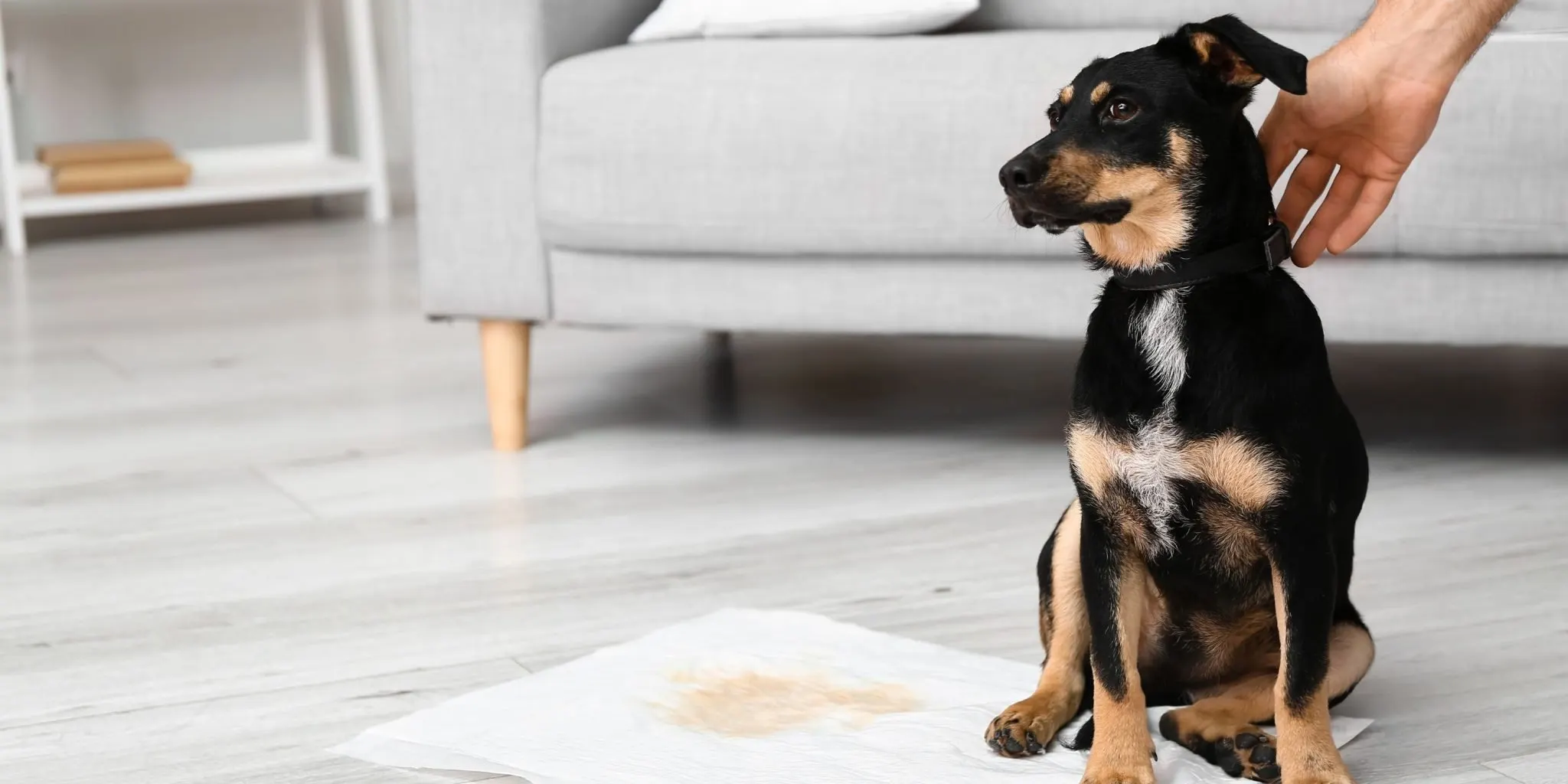
Is your old dog leaking urine or peeing in their sleep? Dr. Waleed DVM explains the real causes of senior dog incontinence and how to treat it at home.
You wake up in the morning, walk into the living room, and find a wet patch on your dog's bed — right where they were sleeping. Your first thought is guilt. Did I not take them out enough last night? Then you realise your dog is still asleep, completely unaware anything happened.
That moment — when a house-trained dog of 10 years suddenly starts leaking urine in their sleep — is one of the most distressing things senior dog owners face. And it happens far more often than people realise.
If your old dog has started having accidents indoors, wetting their bed, or dribbling urine while walking, I want you to know two things right away: this is not your dog's fault, and in most cases, it is very treatable.
In this guide, I am going to explain exactly why senior dogs develop incontinence, what it tells us about their health, how we diagnose it, and what you can do — both medically and at home — to help your dog stay comfortable and dignified in their later years.
What Is Urinary Incontinence in Dogs — and What It Is Not
Urinary incontinence means the involuntary, unconscious leakage of urine. The key word is involuntary. Your dog is not choosing to urinate in the wrong place. They are not being lazy or rebellious. In true incontinence, urine leaks out without the dog even knowing it has happened — often while they are sleeping or resting.
This is different from a dog who squats and deliberately urinates indoors — that is a behavioural or urgency issue. It is also different from a dog who simply cannot get outside quickly enough because of arthritis or pain. Both of those situations matter, but they have different causes and need different solutions.
True incontinence happens because the mechanisms that keep urine stored in the bladder — the urethral sphincter, the bladder muscles, the neurological signals controlling them — are no longer working correctly. According to the Merck Veterinary Manual, urethral sphincter mechanism incompetence (USMI) is the most common cause of urinary incontinence in dogs, and it is especially prevalent in older spayed females.
Why Senior Dogs Are More Vulnerable
Incontinence can technically happen at any age, but senior dogs are significantly more prone to it. There are several reasons for this:
Muscle weakening with age
As dogs age, muscle mass naturally decreases — including the muscles that control the urethral sphincter. When these muscles lose tone, they can no longer keep the bladder sealed under pressure. Urine begins to leak, especially when the dog is lying down and the pressure of the full bladder has nowhere to go.
Hormonal changes after spaying or neutering
This is one of the most clinically significant causes in older dogs. Oestrogen plays a crucial role in maintaining the tone of the urethral sphincter. After a female dog is spayed, oestrogen levels drop significantly — and in many dogs, this eventually leads to sphincter weakness. According to research published by the American College of Veterinary Internal Medicine (ACVIM), the incidence of incontinence in large-breed spayed females ranges from 11 to 20 percent. It may not appear immediately after spaying — sometimes it develops years later as the dog ages and hormonal deficiency compounds.
Underlying diseases that increase urine volume
Senior dogs are more prone to conditions like kidney disease, diabetes mellitus, and Cushing's disease — all of which cause increased thirst and dramatically increased urine production. When a dog is producing far more urine than normal, the bladder fills faster than the dog can manage. If they cannot get outside in time, accidents happen — and owners often mistake this for incontinence when it is actually a disease that needs treating.
Cognitive decline
Dogs with canine cognitive dysfunction (doggy dementia) can forget their housetraining. They may no longer respond to the urge to go outside, or they may simply lose awareness of their bladder. This type of incontinence is linked to brain changes rather than bladder or sphincter problems, and it requires a different management approach.
Spinal and neurological problems
The nerves that control bladder function run through the spine. Degenerative myelopathy, intervertebral disc disease, or other spinal conditions — more common in older dogs — can disrupt these nerve signals and cause the dog to lose bladder control entirely.
Signs That Your Senior Dog May Be Incontinent
The signs of incontinence are usually noticeable, though owners sometimes explain them away as laziness or old age. Here is what to watch for:
Wet patches on the bed or sleeping area
Finding damp spots where your dog has been lying — especially if your dog appears surprised or unaware — is the classic sign of urinary incontinence. Urine leaks while the dog is relaxed and the sphincter pressure drops further.
Dribbling urine while walking or standing
If you notice small drops of urine on the floor as your dog moves around, or your dog leaving a trail of drips, this suggests the sphincter is no longer holding properly between urinations.
Excessive licking of the genital area
Dogs instinctively try to clean themselves. A dog with incontinence will often lick the vulva or prepuce area repeatedly because urine is constantly in contact with the skin. This is one of the earliest signs owners notice.
Smell of urine on the coat or skin
If your dog has a persistent smell of urine despite regular bathing, or if the fur around their underside looks stained or matted, urine is likely leaking onto their skin regularly.
Skin redness or irritation around the hindquarters
Prolonged contact with urine causes what we call urine scalding — a painful skin reaction where the acids in urine inflame and break down the skin. If you see redness, raw skin, or sores around your dog's inner thighs or vulva area, this is a sign that incontinence has been going on for some time.
How a Vet Diagnoses Incontinence
When you bring your dog in for suspected incontinence, your vet will not simply assume it is age-related. A proper diagnosis matters enormously — because the treatment depends entirely on the cause. What looks like incontinence can sometimes be a UTI, diabetes, or kidney disease that is very treatable once identified.
Here is what the diagnostic process usually involves:
Full clinical history
Your vet will ask you detailed questions: When do the accidents happen — during the day, at night, or only when sleeping? Is the leakage constant or intermittent? Has your dog been drinking more than usual? Is this a recent change or gradual? The pattern of accidents often points strongly toward a specific cause.
Urine analysis
A urinalysis is usually the first test. It checks for signs of infection (UTI), glucose in the urine (which could indicate diabetes), protein levels, and urine concentration. I always ask owners to bring a fresh urine sample — ideally the first morning urine — collected in a clean container and kept refrigerated until the appointment.
Blood tests
Blood tests can identify underlying diseases like kidney disease, diabetes, or Cushing's disease — all of which can cause or worsen incontinence. These conditions need to be treated in their own right, not just managed symptomatically.
Imaging
X-rays or an ultrasound of the bladder and kidneys may be recommended to check for bladder stones, tumours, or structural abnormalities. Bladder stones, in particular, can cause severe irritation and mimic or worsen incontinence.
Neurological assessment
If spinal disease is suspected, your vet will check your dog's reflexes, posture, and rear limb strength. Dogs with significant hind-end weakness alongside incontinence may need specialist assessment.
Treatment Options for Senior Dog Incontinence
The good news is that the majority of dogs with incontinence respond well to treatment. Most go on to live comfortable, relatively normal lives — with just a little more management than before.
Medication for hormonal incontinence (USMI)
For the most common type — hormonal urethral sphincter incompetence — there are two main medication options:
Phenylpropanolamine (PPA) — This drug strengthens the urethral sphincter directly by stimulating the muscles. It is the most commonly prescribed first-line treatment and works well in the majority of affected dogs. It is given orally, usually twice daily.
Oestriol (a synthetic oestrogen) — This restores some of the hormonal signalling that supports sphincter tone. It is particularly useful in spayed females with hormone-responsive incontinence. Some dogs require a combination of both medications.
Treating underlying disease
If the incontinence is secondary to diabetes, kidney disease, or Cushing's disease, treating that underlying condition is the priority. When the primary disease is controlled, urine output often normalises and the incontinence improves significantly or resolves.
Antibiotics for UTI
If a urinary tract infection is found, a course of antibiotics will typically resolve the urgency and irritation causing the accidents. This is one of the most straightforward causes to treat — and one of the most commonly missed by owners who assume their dog is just getting old.
Cognitive dysfunction management
If dementia is contributing to the accidents, medication such as selegiline or melatonin supplements, environmental enrichment, and strict routine can help slow progression and improve awareness. This is rarely a complete fix but can reduce the frequency of accidents.
Surgical options
For dogs who do not respond adequately to medication — particularly those with structural abnormalities like ectopic ureter — surgical options exist. Colposuspension, urethral bulking injections, and other procedures have been used successfully in selected cases. These are usually discussed when medical management has been trialled and failed.
What You Can Do at Home
Alongside veterinary treatment, there is a lot you can do to make your dog's life more comfortable and protect their skin and dignity.
More frequent toilet trips
Increasing the frequency of outdoor breaks — especially after drinking, eating, and waking up — reduces how long urine sits in the bladder and gives your dog more opportunities to empty it voluntarily before leakage occurs. For most incontinent senior dogs, I recommend going out at minimum every 3 to 4 hours.
Waterproof bedding
Replace your dog's regular bed or cover it with a waterproof liner and absorbent washable pad. This protects the bed, makes cleaning easier, and keeps your dog's skin dry. Wet skin in contact with urine for long periods leads to urine scalding — which is painful and can become infected.
Dog diapers and belly bands
For dogs with ongoing leakage, especially overnight, dog nappies (for females) or belly bands (for males) can contain the urine and protect bedding and furniture. Change them regularly — every few hours if needed — because leaving a wet nappy against the skin will cause the same irritation you are trying to prevent.
Keep the skin clean and dry
Gently clean the fur and skin around your dog's hindquarters regularly using pet-safe wipes or a damp cloth. Dry the area thoroughly. If you notice redness developing, a thin application of a barrier cream or petroleum jelly can help protect the skin between washes. If the skin becomes broken or infected, see your vet.
Puppy pads in strategic spots
If your dog cannot always make it to the door in time, placing waterproof puppy pads near their sleeping area gives them somewhere safe to go. Some owners find grass-scented pads encourage dogs to use them more readily.
Manage weight
Excess weight places additional pressure on the bladder and weakens the structures supporting it. If your dog is overweight, even modest weight loss can make a meaningful difference to bladder control. Ask your vet for a safe, senior-appropriate weight management plan.
A Final Word from Dr. Waleed
I have seen how much distress incontinence causes — not for the dog, who is usually blissfully unaware — but for the owner who loves them and feels helpless watching this happen. I want you to know that finding wet patches on your dog's bed does not mean the end is near. It does not mean your dog is suffering. It means something has changed in how their body manages urine storage, and in the majority of cases, we can do something about it.
The most important first step is never to assume it is just old age and leave it unchecked. Get your dog in front of a vet. Run the basic tests. Rule out the things that are easily treatable — a UTI, diabetes, kidney disease. Then, if it truly is sphincter weakness, start medication and give it time to work.
Your dog has spent years being loyal, patient, and present for you. A little extra patience and a waterproof bed cover is the very least we can give them back.
Frequently Asked Questions
My old dog has started peeing in her sleep — is this normal for her age?
It is common, but it is not something you should accept as normal aging without investigating. Urinating during sleep is a classic sign of urinary incontinence, most often caused by a weakened urethral sphincter — particularly in older spayed females. It can also signal an underlying condition like a UTI, kidney disease, or diabetes. Book a vet appointment this week so the cause can be identified and treated. In most cases, there is something we can do about it.
Why does my senior female dog suddenly leak urine when she was perfectly house-trained before?
The most likely cause in an older spayed female is hormonal urethral sphincter incompetence (USMI). When a dog is spayed, oestrogen levels drop — and oestrogen plays a key role in keeping the urethral sphincter strong and closed. Over time, this deficiency can cause the sphincter to weaken and leak. The good news is this responds very well to medication, either phenylpropanolamine or oestrogen supplementation, prescribed by your vet.
Is my dog in pain because of the incontinence?
Incontinence itself is generally not painful. Your dog is usually completely unaware it is happening. However, if urine is constantly in contact with the skin around the vulva or inner thighs, it can cause painful urine scalding — a skin reaction from the acids in urine. Watch for redness, raw patches, or sores around the hindquarters, and see your vet if these develop. Keeping the area clean and dry is the key to preventing it.
My dog is drinking a lot more water and having accidents — could it be something other than bladder weakness?
Yes, absolutely — and this is an important distinction to make. If your dog is drinking significantly more than usual alongside having accidents, that combination strongly suggests an underlying disease rather than sphincter weakness. Kidney disease, diabetes mellitus, and Cushing's disease all cause increased thirst and urine production, and they need to be diagnosed and treated. Please see your vet soon — these conditions are very manageable when caught early.
Can incontinence be a sign of a spinal problem?
Yes. The nerves controlling bladder function pass through the spinal cord. If your dog has any hind-leg weakness, an unusual gait, difficulty jumping or climbing stairs, or wobbliness in the back end alongside urinary accidents, spinal disease should be on the list of possibilities. Degenerative myelopathy and intervertebral disc disease are both more common in older dogs and can affect bladder control. A neurological examination and spinal imaging would be the next step in that case.
My male dog has never had this problem before — can male dogs get incontinence too?
Yes, though it is less common than in females. Male dogs can develop incontinence due to sphincter weakness, neurological issues, prostate disease, or underlying conditions like diabetes or kidney disease. Male dogs who were neutered are also at some risk of hormone-responsive incontinence, though the incidence is lower than in spayed females. Any male senior dog with unexplained urine leakage should be assessed by a vet.
How long does it take for incontinence medication to work?
Most dogs show noticeable improvement within 2 to 4 weeks of starting medication. Some respond within days. If there is no improvement after a month, your vet may adjust the dose or try a different medication — sometimes a combination of two drugs works better than one alone. It is also important to recheck for a UTI at follow-up, as bladder infections are more common in incontinent dogs and can make the leakage worse.
Should I be worried that my dog's incontinence means they are nearing the end of their life?
Not necessarily. Incontinence alone is not a sign that a dog is dying or in serious decline. Many dogs live happily for years with managed incontinence. It becomes a quality-of-life concern if it is causing skin damage, chronic infection, or significant distress — but with good management, most dogs adapt well. If your dog is also showing other signs of decline — loss of appetite, dramatic weight loss, pain, or inability to enjoy daily life — those are the conversations to have with your vet about overall quality of life.
Ask Dr. Waleed
Have a question about your senior dog's health? Send it to Dr. Waleed directly — I read every message and answer as many as I can.
🩹 Veterinary Disclaimer
This article is written by Dr. Waleed, DVM for general educational purposes only. It does not constitute a veterinary consultation or diagnosis for your specific pet. Always consult a veterinarian before making health decisions for your dog. If your pet is in distress, contact your vet or emergency animal clinic immediately.
Frequently Asked Questions
My old dog has started peeing in her sleep — is this normal for her age?
Why does my senior female dog suddenly leak urine when she was perfectly house-trained before?
Is my dog in pain because of the incontinence?
My dog is drinking a lot more water and having accidents — could it be something serious?
Can incontinence in dogs be a sign of a spinal problem?
My male dog has started leaking urine — can male dogs get incontinence too?
How long does it take for incontinence medication to work in dogs?
Does my dog know she is peeing — or is she embarrassed about the accidents?
Dr. Waleed, DVM
Veterinarian · Grey Muzzle Squad
A veterinarian with a deep focus on companion animal health. Founded this blog to give pet owners access to real, clinical veterinary knowledge ??? without the guesswork.
Read full bio →Comments
Loading comments...
Leave a Comment
More to Read
View All
Why Is My Dog Stiff After Lying Down? Here's What It Really Means
Your dog looks stiff for the first few steps after resting, then walks fine? A vet explains exactly what this pattern means and when to worry
Why Is My Dog Pacing at Night? Dementia, Anxiety & Other Causes
Is your senior dog pacing, panting or confused at night? Learn about canine dementia, anxiety and restlessness.

Why Is My Dog So Itchy? Causes, Treatment & When to See a Vet
Why Is My Old Dog So Itchy All of a Sudden?
Why Is My Dog Drinking So Much Water? Causes & When to Worry
Is your senior dog suddenly drinking a lot of water? A vet explains kidney disease, diabetes, Cushing's and every other cause
Why Is My Dog Breathing Fast While Resting? Causes & What to Do
Is your dog breathing fast while resting? Learn the possible causes, how to check your dog's breathing rate and when it's an emergency.
Dog Arthritis Injections: Every Option Explained and Which Is Safest
Confused about dog arthritis injections? Dr. Waleed explains every option — Librela, Adequan, steroids, PRP — what each one does, which is safest, and how to choose.