
Is Paracetamol Safe for Dogs? A Vet's Honest Answer

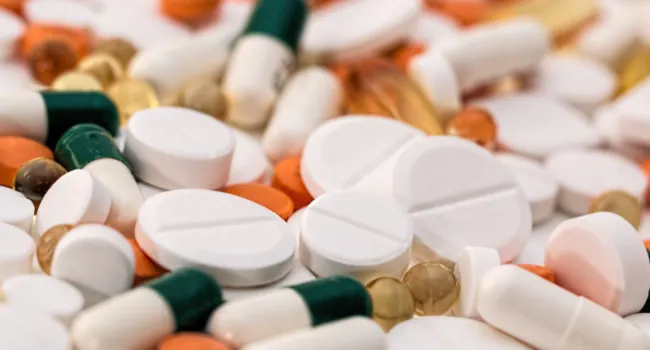
Veterinarian Dr. Waleed explains why paracetamol is dangerous for dogs, the signs of paracetamol toxicity to watch for, and what safe pain relief options actually exist.
Your dog is limping. It is late at night, the vet is closed, and you are standing in your kitchen staring at a packet of paracetamol wondering — can I just give them one tablet to help with the pain?
This is one of the most searched questions about dogs on the internet right now — and the answer is not as simple as yes or no. As a veterinarian, I want to give you the honest, complete answer so you can make the right decision for your dog tonight and every night after.
The short version: never give your dog paracetamol without direct veterinary instruction. The longer version — which matters deeply — is below.
First — What Exactly Is Paracetamol?
Paracetamol is the same drug sold under different brand names around the world. If you have any of these in your home, they all contain the same active ingredient:
Panadol. Calpol. Tylenol. Paracetamol. Acetaminophen. All the same drug. All carry the same risks for dogs.
It is one of the most widely used human pain and fever medications in the world. It is cheap, it is everywhere, and most households have it somewhere. When a dog is in pain and a vet is not immediately available, it is completely understandable that owners think about reaching for it. You are not trying to harm your dog — you are trying to help them.
But the way dogs process this drug is completely different from the way humans do. And that difference is the reason I am writing this guide.
Why Paracetamol Is Dangerous for Dogs — In Plain English
Think of it this way. When you take paracetamol, your liver has a specific system for breaking it down and safely removing it from your body — like a waste disposal unit designed exactly for that job. It works efficiently and you feel better.
Dogs have a much weaker version of this system. Their livers cannot break paracetamol down fast enough — so instead of being safely removed, the drug builds up and turns into something toxic inside their body.
Two things happen as a result:
1. Liver damage. The toxic form of paracetamol attacks liver cells directly and starts killing them. This can happen even before your dog shows any outward signs of being unwell. By the time you notice something is wrong, serious internal damage may already have occurred.
2. The blood stops carrying oxygen properly. Paracetamol changes the structure of the red blood cells — the cells responsible for carrying oxygen around the body. Affected red blood cells cannot do their job. The result is that the organs — including the brain, heart, and kidneys — start being starved of oxygen even though the dog is still breathing normally. This is why the gums turn brown, blue, or grey — they are showing you that the blood is failing.
In severe cases, both of these processes together lead to organ failure and death.
How Much Paracetamol Is Dangerous for a Dog?
Much less than most owners realise.
A single standard 500mg paracetamol tablet — the kind sitting in most medicine cabinets — is enough to cause serious harm in a small or medium-sized dog. Even in a large dog, the gap between a dose that might have some effect and a dose that starts damaging the liver is dangerously small.
There is no safe dose you can calculate at home. The margin is too narrow and depends on too many individual factors — your dog's weight, age, liver health, and whether they are on other medications. This is why vets do not recommend owners attempt to give paracetamol at home under any circumstances.
Senior dogs face even higher risk. As dogs age, their liver and kidneys work less efficiently — meaning they are even less able to handle paracetamol than younger dogs. A dose that a young large breed dog might survive could be far more serious in a ten-year-old dog of the same size.
Watch Out for Hidden Paracetamol
This is something many owners do not think about — and it causes accidental poisonings every year.
Paracetamol is not only found in plain paracetamol tablets. It is also hidden inside many combination products:
Cold and flu tablets. Night nurse. Lemsip. Some branded headache tablets. Some period pain medications. Some sinus and allergy medicines.
Always check the ingredients of any human medication before it is left anywhere a dog could reach. The words to look for on the label are "paracetamol" or "acetaminophen." If either appears — keep it completely away from your dog.
Can Vets Ever Use Paracetamol in Dogs?
Yes — and this surprises many people. Vets do sometimes use paracetamol in dogs, but only in very specific situations and under very controlled conditions.
There are cases where the usual dog-safe pain medications cannot be used — for example, in a dog whose stomach cannot tolerate anti-inflammatory drugs, or in certain post-surgical situations. In these cases, a vet may calculate a precise dose of paracetamol based on the dog's exact weight, health status, and other medications — and monitor them carefully.
This is completely different from an owner giving a human tablet at home. The dose a vet uses is calculated to the milligram. The timing is carefully controlled. The dog is monitored throughout.
The rule is simple: paracetamol is only ever appropriate in dogs when a vet has specifically prescribed it for that dog, at that dose, at that time. A human paracetamol tablet from your medicine cabinet is never safe to give without this.
Signs of Paracetamol Poisoning in Dogs
If your dog has swallowed paracetamol — whether by accident or because someone in the household gave it — do not wait for signs before calling a vet. But know what to watch for:
Within the First 1 to 4 Hours
Vomiting, drooling, loss of appetite, and being unusually quiet or flat. The dog may seem mildly unwell — but inside, the liver is already being damaged even though nothing dramatic is visible yet.
Within 4 to 12 Hours — the Most Dangerous Sign
This is when the blood starts losing its ability to carry oxygen. The most important thing to check is your dog's gums. Pull back the lip and look — healthy dog gums are pink and moist, like the inside of your own lip. Gums that have turned brown, blue, or grey mean the blood is failing to deliver oxygen around the body. This is a life-threatening emergency and your dog needs to be at a vet immediately.
You may also notice rapid or laboured breathing, weakness, and in some dogs — swelling around the face or paws.
24 to 72 Hours — Liver Failure
If enough liver damage has occurred, the signs of liver failure appear — yellowing of the gums, eyes, or skin (called jaundice), severe weakness, abdominal pain, and in the worst cases, seizures or unconsciousness.
What to Do If Your Dog Has Swallowed Paracetamol
This is a veterinary emergency. Act immediately — do not wait for symptoms.
By the time symptoms appear, significant damage has already happened internally. The window for the most effective treatment is in the first few hours after ingestion.
Do this right now:
Step 1. Note the time it happened and roughly how much was swallowed. Check the packet — how many tablets were in it before? How many are there now?
Step 2. Call your vet or the nearest emergency animal clinic immediately. Tell them your dog's weight, what they swallowed, how much, and when.
Step 3. Go. Do not wait at home to see if signs develop.
What the Vet Will Do
If the ingestion was very recent — within one to two hours — the vet may make your dog vomit to bring up unabsorbed tablets. This is something only a vet should do — do not try to induce vomiting at home without veterinary instruction.
They may give activated charcoal — a black liquid that absorbs any remaining paracetamol in the stomach before it enters the bloodstream, like a sponge mopping up the drug.
The specific antidote is called N-acetylcysteine — a medication that works by restoring the liver's natural defence system, helping it fight off the toxic form of paracetamol before more damage occurs. Think of it as giving the liver reinforcements when it is being overwhelmed. It must be given by a vet — it is not available at home — and the sooner it is given, the more effective it is.
IV fluids, oxygen support, and close monitoring will also be provided depending on how much was ingested and when.
What If No Emergency Vet Is Available?
This is a real situation for many owners — especially those in rural areas or late at night when local clinics are closed.
Here is what to do:
Call a vet helpline. Many countries have 24-hour veterinary telephone services where a vet will advise you in real time. In the UK, the Animal Poison Line (01202 509000) operates specifically for poisoning emergencies. In the US, the ASPCA Animal Poison Control Center (888-426-4435) is available 24 hours. Save these numbers in your phone before you need them.
Drive to the nearest emergency vet clinic even if it is far. Paracetamol poisoning worsens rapidly. Distance is worth it.
Do not give anything at home — no milk, no water, no other medications — without being told to by a vet on the phone. Some home remedies people try can make things worse.
Safe Pain Relief Options for Dogs — What Actually Works
If your dog is in pain right now and you are waiting to reach a vet, the most important thing you can do is keep them calm, comfortable, and resting. Reduce movement, keep them warm, and speak to them calmly. This is genuinely helpful while you arrange proper care.
When you reach your vet, here are the safe medications they may prescribe:
Meloxicam
The most commonly used veterinary pain and anti-inflammatory medication. Available as a liquid or tablet, given with food. Very effective for arthritis, injury pain, and post-surgical pain. Not suitable for dogs with kidney disease or stomach problems.
Carprofen
Another widely used veterinary anti-inflammatory, available in chewable tablets most dogs happily eat. Often used for arthritis and after surgery.
Gabapentin
Used for nerve pain and chronic pain that does not fully respond to anti-inflammatories. Particularly useful in senior dogs. Makes some dogs sleepy initially but most adjust.
Tramadol
A stronger prescription pain medication used for moderate to severe pain. Requires careful dosing guidance from your vet.
Bedinvetmab (Librela)
A monthly injection for arthritis pain — a newer option that works differently from traditional medications. See our full guide on Librela for dogs for more detail.
Important — Paracetamol and Cats
If you have cats as well as dogs — paracetamol is even more dangerous for cats than for dogs. Cats have almost none of the liver system needed to process paracetamol at all. A single small amount — even licking a crushed tablet — can be fatal. If a cat has ingested any paracetamol whatsoever, treat it as an immediate life-threatening emergency and go to a vet right away.
A Final Word From Dr. Waleed
I know exactly what it feels like to be standing in that kitchen at midnight, your dog is in pain, and you want to do something — anything — to help them.
The most helpful thing I can tell you is this: the phone in your pocket is more powerful than anything in your medicine cabinet right now. A vet on the end of that phone — even a helpline — can guide you through what to do safely. That call takes two minutes and could save your dog's life.
Save an emergency vet number and a poison helpline number in your phone today — not when you need them, but right now while you are reading this. The owners who are most prepared are the ones who acted before the emergency happened.
Your dog is lucky to have someone who cares enough to look this up.
Frequently Asked Questions
My dog ate a paracetamol tablet by accident — what do I do right now?
Call your vet or an emergency animal clinic immediately — do not wait for symptoms to appear. Note the time it happened and how many tablets were swallowed. Tell them your dog's weight when you call. Internal damage can begin before any visible signs develop. If no local vet is available, call a 24-hour poison helpline — in the UK: 01202 509000, in the US: 888-426-4435. Time is critical — early treatment dramatically improves outcomes.
Can I give my dog half a paracetamol tablet for pain?
No — never give your dog any amount of paracetamol without direct instruction from your vet. Even small doses can be harmful, especially in small dogs, senior dogs, and dogs with liver or kidney conditions. There is no dose you can safely calculate at home. While waiting to reach your vet, keep your dog calm and resting — that is genuinely the most helpful thing you can do right now.
What are the safest pain relief options for dogs at home?
There are no human pain medications that are safe to give dogs at home — ibuprofen and aspirin are also toxic to dogs, not just paracetamol. While waiting to reach your vet, rest your dog in a warm, quiet place and keep them calm. Your vet can prescribe safe veterinary medications like meloxicam, carprofen, or gabapentin that are specifically designed for dogs and calculated for their size and health condition.
How do I know if my dog has paracetamol poisoning?
Check your dog's gums — pull back the lip and look. Healthy gums are pink and moist. Brown, blue, or grey gums mean the blood is failing to carry oxygen and this is a life-threatening emergency requiring immediate vet care. Earlier signs include vomiting, drooling, and unusual quietness within the first few hours. Do not wait for gum colour changes before calling — seek help as soon as you know ingestion happened.
Is paracetamol more dangerous for older dogs?
Yes — senior dogs are at higher risk because their liver and kidneys work less efficiently with age, making it even harder to process the drug. A dose that a young healthy dog might survive could be far more serious in a senior dog. Dogs with existing liver or kidney disease, or those already on other medications, face the greatest risk. This is another reason paracetamol should never be given to a senior dog without specific veterinary instruction.
What is the antidote for paracetamol poisoning in dogs?
The antidote is called N-acetylcysteine. Think of it as giving the liver a rescue team — it restores the liver's natural defence system and helps fight off the toxic damage before it gets worse. It must be given by a vet by injection or drip, and the sooner it is given after ingestion, the more effective it is. This is another reason why calling a vet immediately — before symptoms appear — makes such a significant difference to the outcome.
Have a Question for Dr. Waleed?
Worried about something your dog has eaten, or looking for safe pain relief options for your senior dog? Send me your question on the Ask Dr. Waleed page. I read every message personally.
🩹 Veterinary Disclaimer
This article is written by Dr. Waleed, DVM for general educational purposes only. It does not constitute a veterinary consultation or diagnosis for your specific pet. Always consult a veterinarian before making health decisions for your dog. If your pet is in distress, contact your vet or emergency animal clinic immediately.
Frequently Asked Questions
My dog ate a paracetamol tablet by accident — what do I do right now?
Can I give my dog half a paracetamol tablet for pain?
What are the safest pain relief options for dogs at home?
How do I know if my dog has paracetamol poisoning?
Is paracetamol more dangerous for older dogs?
What is the antidote for paracetamol poisoning in dogs?
Dr. Waleed, DVM
Veterinarian · Grey Muzzle Squad
A veterinarian with a deep focus on companion animal health. Founded this blog to give pet owners access to real, clinical veterinary knowledge ??? without the guesswork.
Read full bio →Comments
Loading comments...
Leave a Comment
More to Read
View All
Why Is My Dog Stiff After Lying Down? Here's What It Really Means
Your dog looks stiff for the first few steps after resting, then walks fine? A vet explains exactly what this pattern means and when to worry

Why Is My Dog Pacing at Night? Dementia, Anxiety & Other Causes
Is your senior dog pacing, panting or confused at night? Learn about canine dementia, anxiety and restlessness.

Why Is My Dog So Itchy? Causes, Treatment & When to See a Vet
Why Is My Old Dog So Itchy All of a Sudden?

Why Is My Dog Drinking So Much Water? Causes & When to Worry
Is your senior dog suddenly drinking a lot of water? A vet explains kidney disease, diabetes, Cushing's and every other cause
Why Is My Dog Breathing Fast While Resting? Causes & What to Do
Is your dog breathing fast while resting? Learn the possible causes, how to check your dog's breathing rate and when it's an emergency.
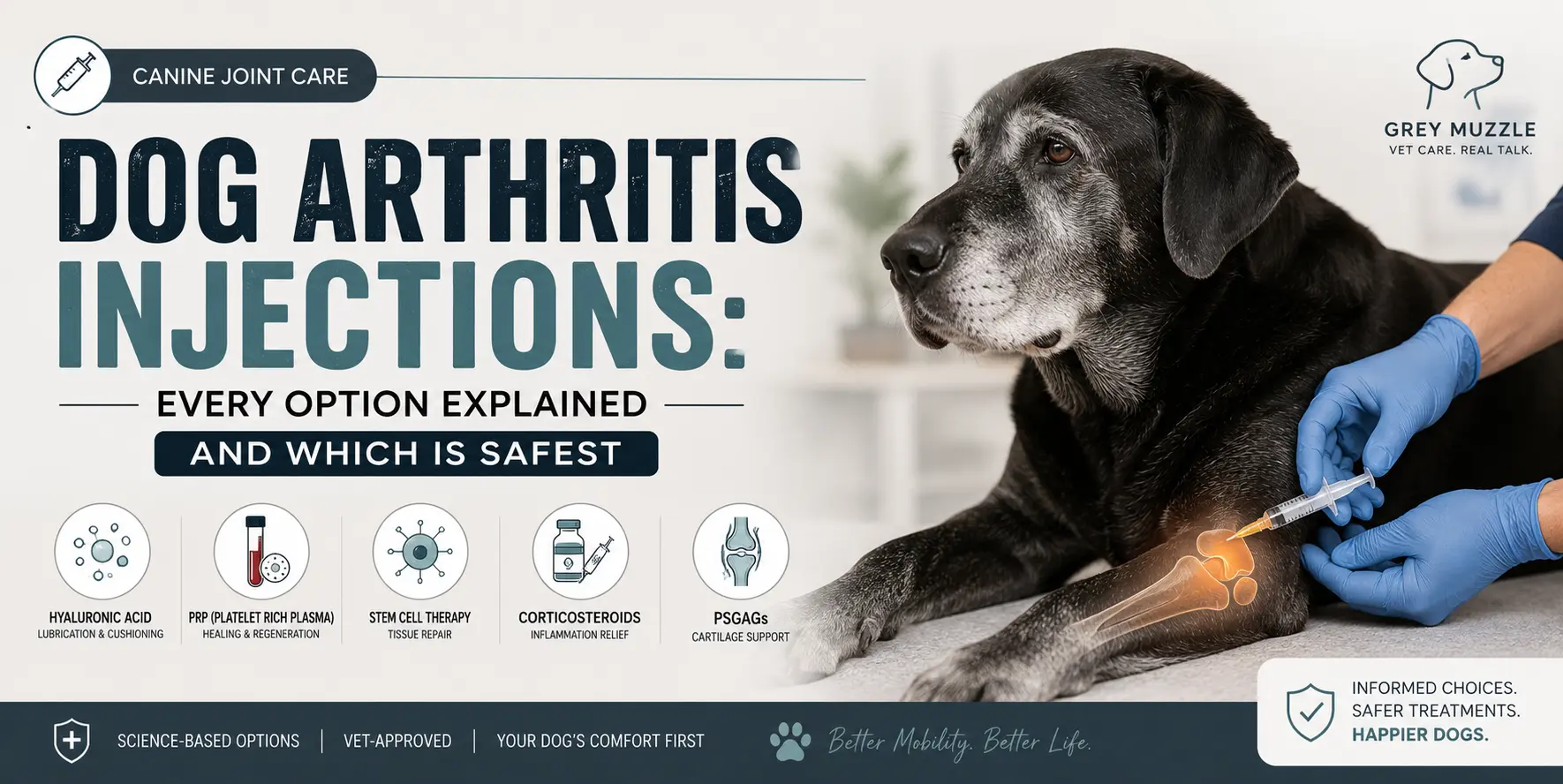
Dog Arthritis Injections: Every Option Explained and Which Is Safest
Confused about dog arthritis injections? Dr. Waleed explains every option — Librela, Adequan, steroids, PRP — what each one does, which is safest, and how to choose.