
Can I Give My Dog Panadol or Paracetamol for Pain? A Vet Explains the Real Risk

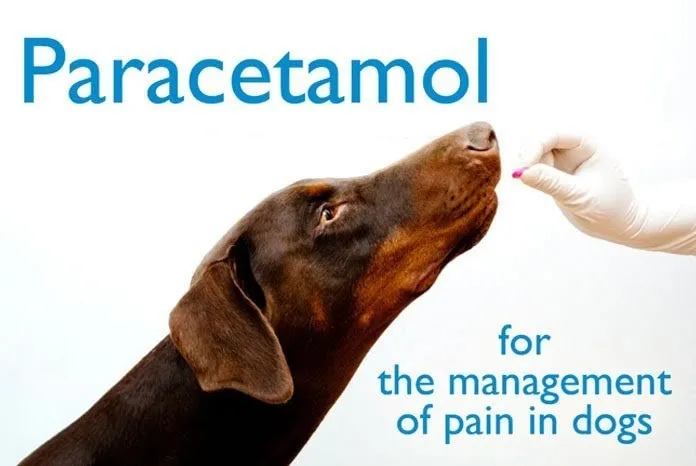
Can I give my dog Panadol or paracetamol for pain? Veterinarian Dr. Waleed explains why this drug is toxic to dogs and what safe pain relief actually exists.
Your dog is in pain. You can see it — the way they are moving, the way they flinched when they lay down, the quiet whimper. It is late, the vet is closed, and you are standing in front of your medicine cabinet looking at the Panadol. You take it for pain yourself. It works. Surely it would help your dog too?
I need to stop you right there — because this is one of those moments where the wrong decision, made with the best intentions, can cause serious and permanent harm to your dog.
The short answer is no. Do not give your dog Panadol, Paracetamol, or any human painkiller without explicit instruction from your vet. Not even a small piece of a tablet. Not even once.
In this guide I am going to explain exactly why — what actually happens inside a dog's body when they swallow paracetamol, what the signs of toxicity look like and how quickly they appear, what to do if your dog has already eaten some, and what safe alternatives actually exist for a dog in pain.
Why Paracetamol That Is Safe for You Is Dangerous for Your Dog
This is the question I get asked most often when owners are surprised by this answer: if it is safe for people, why is it so dangerous for dogs?
The answer is metabolism. When your body processes paracetamol, your liver has specific enzymes — particularly one called glucuronyl transferase — that break it down into harmless byproducts that are safely excreted. Dogs have significantly lower levels of these enzymes. This means that when a dog ingests paracetamol, their liver cannot process it the same way. Instead, it converts into a toxic compound called NAPQI (N-acetyl-p-benzoquinone imine), which accumulates in the body and begins attacking two critical systems.
What NAPQI does to the liver
The liver is the primary target in dogs. NAPQI depletes the liver's natural antioxidant defences — particularly a compound called glutathione — and when those are exhausted, it begins directly damaging and destroying liver cells. This damage can progress to liver failure, which is life-threatening and in many cases irreversible. Dogs have lower natural reserves of glutathione than humans do, which is exactly why they are so much more vulnerable.
What NAPQI does to the red blood cells
NAPQI also attacks haemoglobin — the protein inside red blood cells that carries oxygen around the body. It converts normal haemoglobin into a dysfunctional form called methaemoglobin, which cannot carry oxygen. When enough red blood cells are affected, the dog's tissues begin to starve of oxygen even though the heart is pumping normally. This is called methaemoglobinaemia, and it causes the gums to turn brown, grey, or blue rather than their normal pink — one of the most alarming visible signs of paracetamol toxicity.
According to research published in the Veterinary Record and summarised in Plumb's Veterinary Drug Handbook, at the recommended therapeutic dose for dogs of 10–15 mg/kg every 8 hours, potential adverse effects of paracetamol include renal, hepatic, gastrointestinal and haematological disorders, and at higher doses the risks increase significantly. And the critical point here is that one 500mg tablet is sufficient to cause toxicity in a 6.5kg dog. That is a very small dog — many senior dogs are well within this weight range.
How Much Paracetamol Is Toxic to a Dog?
There is no completely safe dose of over-the-counter paracetamol for a dog at home. The margin between a dose that might have some effect and a dose that causes serious harm is too narrow to guess safely, and varies with your dog's weight, age, liver health, and other medications they are on.
Senior dogs are especially vulnerable for an additional reason: their liver function is often already reduced compared to younger dogs. A liver that is already working harder due to age or early disease has even less capacity to process a toxic load. What might cause mild symptoms in a younger, healthier dog could be significantly more harmful in a 12-year-old dog with early kidney or liver changes.
Vets may occasionally prescribe carefully calculated paracetamol for dogs, often in combination drugs made for veterinary use — but that does not make supermarket Panadol safe to guess-dose at home. Overdoses cause serious liver injury and blood problems. Many human products also contain codeine or sweeteners like xylitol that add more risk.
So even if you have read somewhere that paracetamol can sometimes be used in dogs under veterinary supervision — that is true, but it is a very specific, weight-calculated, veterinary-directed situation. A human tablet from your medicine cabinet at a dose you have guessed is entirely different and genuinely dangerous.
Signs of Paracetamol Toxicity in Dogs — What to Watch For
If your dog has eaten paracetamol — whether intentionally given or accidentally found — these are the signs that it is taking effect. They can appear within a few hours of ingestion.
Early signs — within 1 to 4 hours
Lethargy and weakness
Rapid breathing or panting
Restlessness or obvious distress
Later signs — as liver damage and methaemoglobinaemia develop
Gums turning brown, grey, or blue — this is a critical emergency sign indicating the red blood cells can no longer carry oxygen
Facial swelling, particularly around the eyes and muzzle — a distinctive sign of paracetamol toxicity in dogs
Abdominal pain and a tense, painful abdomen
Dark or orange-coloured urine — as damaged red blood cells break down
Jaundice — a yellow tinge to the gums, eyes, or skin — indicating liver damage
Collapse and loss of consciousness in severe cases
The critical thing to understand is this: by the time signs of toxicity appear, your dog is already in serious trouble. There is no blood or urine test that tells a vet if a pet has had paracetamol, and there is no home remedy for paracetamol toxicity. If you know or suspect your dog has eaten any paracetamol, call a vet immediately — do not wait for symptoms to develop, because treatment is most effective before clinical signs appear.
My Dog Just Ate Paracetamol — What Do I Do Right Now?
If this is happening right now, here is what to do, in order:
Step 1 — Do not wait and see
This is not a situation where you monitor at home to see if anything develops. Paracetamol is rapidly absorbed from the gut — within 30 to 60 minutes in many cases — and treatment is significantly more effective when started before any signs appear. Every minute matters.
Step 2 — Call your vet or an emergency clinic immediately
Tell them your dog's weight, what they ate, how much, and how long ago. This information determines what treatment is needed and how urgently. If it is after hours and your regular vet is not available, call an emergency veterinary clinic. Do not wait until the morning.
Step 3 — Do not induce vomiting without veterinary instruction
Your vet may advise inducing vomiting if the ingestion was very recent — but only if they instruct you to, using a specific safe method. Do not attempt to make your dog vomit using home methods without speaking to a vet first, as this can sometimes cause additional harm.
Step 4 — Bring the packaging if you go to the clinic
Bring the packet, box, or bottle of whatever your dog ate. This tells your vet the exact formulation, dose strength, and any additional ingredients — particularly important because many paracetamol products also contain codeine or the artificial sweetener xylitol, both of which add additional toxicity risks.
How Paracetamol Toxicity Is Treated
Treatment depends on how much was ingested and how quickly you sought help. If ingestion was very recent, your vet may induce vomiting and give activated charcoal to bind remaining drug in the gut before it can be absorbed.
The key antidote for paracetamol toxicity in dogs is N-acetylcysteine (NAC), which helps restore the glutathione reserves the liver needs to process the toxic byproducts. Supportive care typically includes supplemental oxygen, intravenous fluid therapy, vitamin C supplementation, and N-acetylcysteine. Dogs with significant liver damage or severe methaemoglobinaemia may need hospitalisation for several days of intensive supportive care. The sooner treatment begins, the better the outcome.
What About Ibuprofen, Aspirin, or Other Human Painkillers?
Since I have your attention on this topic, let me address the other medicines that owners commonly consider giving their dogs in pain.
Ibuprofen — never, under any circumstances
Ibuprofen can cause stomach ulcers, kidney failure, and neurological signs in dogs and cats, even at relatively low doses. It is not a safe human equivalent for pets. If a dog gets into a single blister pack, that is enough to warrant a trip to the emergency vet. Ibuprofen is more acutely dangerous than paracetamol in dogs and causes rapid, severe gastrointestinal and kidney damage.
Aspirin — not recommended
Aspirin causes significant gastrointestinal side effects in dogs, including ulceration and bleeding, and is no longer recommended as a pain management option by most veterinary organisations given the far safer alternatives now available. Do not give aspirin to a dog.
Codeine products — dangerous combination
Many over-the-counter human pain products contain paracetamol combined with codeine. Codeine can cause respiratory depression in dogs. Any product containing both is double the risk.
So What CAN You Give a Senior Dog for Pain at Home?
This is the question underneath the question — your dog is in pain, and you want to help them. I understand that completely. Here is what is safe and what to do.
Call your vet — even after hours
Most veterinary practices have an out-of-hours service or can direct you to an emergency clinic. Describe your dog's pain accurately. Your vet may be able to advise over the phone, prescribe something remotely, or direct you appropriately. This is always the right first step.
Safe prescription pain options your vet can provide
There are several excellent, evidence-based pain management options for senior dogs that are safe and effective when prescribed by a vet:
NSAIDs specifically formulated for dogs — meloxicam, carprofen, and grapiprant are commonly used and well-tolerated when prescribed at the right dose for your dog's weight and health status. These are genuinely effective for arthritis and musculoskeletal pain.
Gabapentin — often used for nerve pain and chronic pain in senior dogs, sometimes in combination with an NSAID.
Librela (bedinvetmab) — a newer monthly injectable monoclonal antibody treatment for chronic arthritis pain, which I have written about in detail elsewhere on this blog. It has been genuinely life-changing for some arthritic senior dogs.
Tramadol — sometimes used for breakthrough or acute pain management in dogs under veterinary guidance.
What you can do tonight while you reach your vet
While you arrange proper pain management for your dog, here are things that genuinely help without risk:
Keep your dog warm and resting on a comfortable, supportive surface
Limit movement that seems to worsen the pain
If the pain is clearly orthopaedic — a limb, a joint — cold compress wrapped in a towel for 10-15 minutes can reduce acute inflammation safely
Calm the environment — dim lights, reduce noise, stay close
What will not help and must be avoided: any human painkiller, any human anti-inflammatory, any dose of anything from your medicine cabinet that has not been specifically cleared by your vet for your specific dog.
A Final Word from Dr. Waleed
I know how hard it is to watch your dog suffer and feel like there is nothing you can do. The impulse to reach for something — anything — that might ease their pain is completely human and comes entirely from love.
But paracetamol is one of those situations where the kindest-seeming thing is genuinely one of the most dangerous. The damage it causes can happen quickly, quietly, and by the time you see signs of it, your dog's liver may already be significantly harmed.
Call your vet. Even at night. Even on a weekend. Emergency clinics exist for exactly these moments. A safe pain management plan for your senior dog — one that actually works and does not risk harming their liver or kidneys — is a conversation that is absolutely worth having properly rather than improvising at midnight with what is in your bathroom cabinet.
Your dog deserves proper pain relief. Let us make sure they get it safely.
Frequently Asked Questions
Can I give my dog half a Panadol tablet for pain?
No. There is no safe dose of over-the-counter Panadol or paracetamol for a dog at home. Even half a standard 500mg tablet can cause liver damage and red blood cell toxicity in a small or medium-sized dog. The margin between a dose that might have some effect and one that causes serious harm is far too narrow to guess safely, and senior dogs with any degree of liver or kidney compromise are even more vulnerable. Call your vet for safe, appropriate pain relief — do not improvise with human medication.
My dog just ate a paracetamol tablet by accident — what do I do?
Call your vet or an emergency veterinary clinic immediately — do not wait for symptoms to appear. Tell them your dog's weight, what they ate, the dose strength, and how long ago. Treatment is most effective when started before clinical signs develop. Bring the packaging to the clinic so the vet knows exactly what formulation your dog ingested, since many paracetamol products also contain codeine or xylitol, which add additional risk.
How long does it take for paracetamol to affect a dog?
Signs of paracetamol toxicity can begin within one to four hours of ingestion, starting with vomiting, lethargy, and drooling. More serious signs — brown or grey gums, facial swelling, dark urine, and collapse — develop as liver damage and red blood cell damage progress, typically within 24 to 72 hours without treatment. The absence of symptoms in the first hour does not mean your dog is safe. Paracetamol is rapidly absorbed, and by the time visible signs appear the damage is already underway. Act immediately, do not wait.
What are the signs my dog has eaten paracetamol?
Early signs include vomiting, lethargy, loss of appetite, drooling, and rapid breathing. As toxicity progresses, watch for gums turning brown, grey, or blue — this is a critical emergency sign indicating the blood can no longer carry oxygen properly — facial swelling particularly around the eyes and muzzle, abdominal pain, dark or orange-coloured urine, and jaundice (a yellow tinge to the gums or eyes). Any of these signs after possible paracetamol ingestion is a veterinary emergency. Go immediately.
Are there any painkillers I can safely give my dog at home?
No over-the-counter human painkiller is safe to give a dog at home without veterinary guidance — not paracetamol, not ibuprofen, not aspirin. Ibuprofen causes severe stomach ulceration and kidney damage in dogs. Aspirin causes gastrointestinal bleeding. Paracetamol causes liver damage and red blood cell toxicity. The only safe approach is to contact your vet, who can prescribe dog-appropriate pain relief — meloxicam, carprofen, gabapentin, or other options specifically formulated and dosed for dogs — based on your dog's weight, age, and health status.
Is paracetamol ever used in dogs at all?
Yes, but only under very specific veterinary prescription at a precisely calculated dose, usually using veterinary-formulated products rather than standard human tablets. This is very different from giving your dog an over-the-counter tablet at a dose you have estimated at home. A vet who prescribes paracetamol for a dog will first check liver and kidney function, calculate an exact dose based on body weight, and monitor carefully. The same drug in the wrong hands at the wrong dose is dangerous. Never give paracetamol to your dog without explicit instruction from your own vet.
What can I give my senior dog for pain relief tonight while the vet is closed?
The safest things you can do at home tonight while arranging a proper vet consultation: keep your dog warm and resting comfortably on a supportive orthopaedic surface, limit movement, apply a cold compress wrapped in a towel to an acutely painful area for 10 to 15 minutes to reduce inflammation, and call your vet's after-hours line or an emergency clinic. Most practices have emergency contacts for exactly this situation. A short phone call to your vet is always better than reaching for a human medication — they can advise on whether your dog can wait until morning or needs to be seen tonight, and may be able to direct you to appropriate care.
My old dog seems to be in pain a lot — what are the safest long-term options?
There are excellent, safe, long-term pain management options for senior dogs. Dog-specific NSAIDs such as meloxicam and carprofen are the most commonly prescribed and genuinely effective for arthritis and musculoskeletal pain. Gabapentin helps with nerve-related and chronic pain. Librela (bedinvetmab) is a newer monthly injection that has been genuinely transformative for many dogs with chronic arthritis pain. Joint supplements including omega-3 fatty acids, glucosamine, and chondroitin support joint health over time. Physiotherapy and hydrotherapy can meaningfully improve mobility. The right combination depends on your specific dog — a conversation with your vet about a proper pain management plan is the most important step you can take.
Ask Dr. Waleed
Have a question about pain management or medication safety for your senior dog? Send Dr. Waleed a message — I read every question and answer as many as I can.
Related Posts
🩹 Veterinary Disclaimer
This article is written by Dr. Waleed, DVM for general educational purposes only. It does not constitute a veterinary consultation or diagnosis for your specific pet. Always consult a veterinarian before making health decisions for your dog. If your pet is in distress, contact your vet or emergency animal clinic immediately.
Frequently Asked Questions
Can I give my dog half a Panadol tablet for pain?
My dog just ate a paracetamol tablet by accident — what do I do right now?
How long does it take for paracetamol to affect a dog?
What are the signs my dog has eaten paracetamol?
Are there any painkillers I can safely give my dog at home?
Is paracetamol ever used in dogs at all?
What can I give my senior dog for pain relief tonight while the vet is closed?
My old dog is in pain a lot — what are the safest long-term pain options?
Dr. Waleed, DVM
Veterinarian · Grey Muzzle Squad
A veterinarian with a deep focus on companion animal health. Founded this blog to give pet owners access to real, clinical veterinary knowledge ??? without the guesswork.
Read full bio →Comments
Loading comments...
Leave a Comment
More to Read
View All
Why Is My Dog Stiff After Lying Down? Here's What It Really Means
Your dog looks stiff for the first few steps after resting, then walks fine? A vet explains exactly what this pattern means and when to worry

Why Is My Dog Pacing at Night? Dementia, Anxiety & Other Causes
Is your senior dog pacing, panting or confused at night? Learn about canine dementia, anxiety and restlessness.

Why Is My Dog So Itchy? Causes, Treatment & When to See a Vet
Why Is My Old Dog So Itchy All of a Sudden?

Why Is My Dog Drinking So Much Water? Causes & When to Worry
Is your senior dog suddenly drinking a lot of water? A vet explains kidney disease, diabetes, Cushing's and every other cause

Why Is My Dog Breathing Fast While Resting? Causes & What to Do
Is your dog breathing fast while resting? Learn the possible causes, how to check your dog's breathing rate and when it's an emergency.
Dog Arthritis Injections: Every Option Explained and Which Is Safest
Confused about dog arthritis injections? Dr. Waleed explains every option — Librela, Adequan, steroids, PRP — what each one does, which is safest, and how to choose.