
Why Does My Old Dog Keep Getting Skin Growths? A Vet Explains Every Type

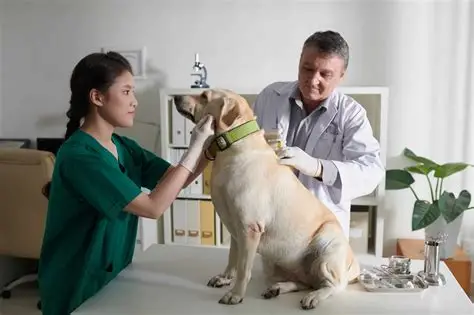
Is your old dog getting lumps, cysts, or skin growths? Dr. Waleed explains every common type — lipomas, sebaceous cysts, skin tags, warts — and which ones need a vet.
You are stroking your dog on the sofa and your fingers find something they did not expect. A small lump. A raised bump. Something that was not there last week — or maybe it was, and you just never noticed it before. Your stomach drops a little. Your mind goes to the worst place immediately.
I want to stop you there — because that fear, while completely understandable, is often not warranted. The truth is that older dogs grow things on their skin. A lot of things. Lumps, bumps, cysts, warts, fatty deposits, skin tags — they are extremely common in senior dogs and the vast majority of them are completely harmless.
That does not mean you ignore them. It means you understand what you are dealing with, watch them correctly, and know when to have them checked. Because while most growths in older dogs are benign, some are not — and the way to tell the difference is not by looking at them. It is by having a vet test them.
In this guide I am going to walk you through every common type of skin growth that appears on senior dogs, explain what each one looks and feels like, tell you which ones can safely be monitored and which ones need to be seen urgently, and show you how to do a proper monthly lump check at home. This is the guide I wish every owner of an older dog would read before they find that first unexpected bump.
Why Do Old Dogs Get So Many Skin Growths?
This is the first question most owners ask — and it is a fair one. Young dogs rarely have lumps. Senior dogs seem to collect them.
The answer comes down to a combination of factors that accumulate over a lifetime. As dogs age, their immune system becomes less efficient at clearing abnormal cells before they develop into visible growths. The skin itself changes — oil glands become more prone to blockage, hair follicles are more likely to develop cysts, and the connective tissue under the skin tends to form fatty deposits more readily. Years of sun exposure, minor skin trauma, hormonal changes, and the general wear of aging all contribute.
The result is that most senior dogs — especially those over eight or nine years old — will develop at least some visible skin changes. This is normal. What matters is knowing what each growth is, whether it needs treatment, and how to tell the harmless ones from the ones that need attention.
The Most Common Skin Growths in Senior Dogs — and What They Actually Are
Lipomas — the soft, squishy fatty lumps
Lipomas are by far the most common lumps I find on senior dogs. They are benign tumours made entirely of fat cells, sitting just under the skin. According to the Merck Veterinary Manual, lipomas are most common in middle-aged to older dogs and are considered a natural part of the ageing process.
What they feel like: soft, smooth, round or oval, and freely movable under the skin. When you press on them, they shift easily. They are not attached to the tissue underneath, and the skin over them looks completely normal. They are not painful when touched.
Where they appear: most commonly on the chest, abdomen, upper legs, and flanks. Rarely on the face or paws. Some dogs develop just one. Others collect them — I have seen senior dogs with eight or ten lipomas of various sizes across their bodies.
Do they need treatment? Usually no. Lipomas are harmless and most vets recommend monitoring rather than removing them unless they are growing rapidly, are located somewhere that affects movement (like in the armpit or groin), or are causing the dog discomfort. The exception is a variant called an infiltrative lipoma, which grows between muscle fibres rather than sitting cleanly under the skin — these are more difficult to remove and more likely to cause problems, so location and feel matter.
What to watch for: slow, steady growth over months is expected. Rapid growth, a sudden change in texture from soft to firm, or a lump that was freely movable and is now fixed to underlying tissue — these changes need a vet visit.
Sebaceous Cysts — the blocked oil gland bumps
Sebaceous cysts are the most common type of cyst I see in older dogs. The skin is full of sebaceous glands — oil-producing glands attached to hair follicles. When one of these glands becomes blocked, the oil cannot drain, and it accumulates into a cyst.
What they feel like: round, firm, and often quite defined under the skin. They can range from pea-sized to considerably larger. The skin over them may be normal, or it may have a small darkened pore visible at the top — the blocked opening of the gland.
What happens if they rupture: sebaceous cysts sometimes rupture spontaneously, releasing a thick, white, paste-like or cottage-cheese-textured material. This looks alarming but is generally not dangerous. The area should be kept clean and monitored for signs of infection — redness, swelling, warmth, or discharge that looks green or yellow rather than white.
Do they need treatment? Many sebaceous cysts do not need treatment. They may stay the same size for years, or they may resolve on their own. However, they can become infected, inflamed, or repeatedly rupture and reform. In those cases, surgical removal — which removes the entire cyst wall — is curative. Simply draining a sebaceous cyst without removing the wall will result in it filling up again.
Important: do not squeeze or pop a sebaceous cyst at home. Forcing the contents out through the skin increases the risk of infection and can push material into surrounding tissue, causing a significant inflammatory reaction.
Skin Tags — the harmless dangly growths
Skin tags are benign overgrowths of the connective tissue in the skin. They are extremely common in older dogs — and like in older humans, they tend to appear in areas where skin rubs against skin or against a collar or harness: the neck, chest, armpits, groin, and around the face.
What they look like: small, soft, flesh-coloured growths that extend from the skin surface on a thin stalk. They dangle. They move freely. They are painless. They do not have a dark centre or pore like a sebaceous cyst. They look, honestly, like small flaps of extra skin — because that is essentially what they are.
Do they need treatment? No, unless they are in a location that causes repeated trauma — catching on things, getting caught in a collar, or being irritated by constant rubbing. In those cases, a vet can remove them very simply. Left alone, skin tags cause no harm.
Warts (Viral Papillomas) — the cauliflower-textured growths
Most people associate warts with puppies, where they appear in clusters around the mouth and are spread easily between young dogs. But senior dogs develop a different type — single, solitary warts that appear on the body, around the eyes, on the eyelids, or on the skin generally. These are caused by the same papillomavirus but behave differently in older dogs whose immune systems are less robust.
What they look like: small, rough, often grey or skin-coloured growths with an irregular, cauliflower-like surface texture. They tend to appear alone rather than in clusters. They are firm to the touch.
Do they need treatment? Many warts in older dogs stay small and cause no problems — they can be monitored. However, warts on the eyelids can irritate the surface of the eye. Warts that get repeatedly traumatised, bleed, or grow significantly may need to be removed. Unlike puppy warts, senior dog warts are less likely to resolve spontaneously.
Sebaceous Adenomas — the small warty growths from oil glands
Sebaceous adenomas are benign tumours of the sebaceous (oil) glands. They are one of the most common skin tumours in older dogs and are sometimes confused with warts because of their appearance.
What they look like: small, cauliflower-like or wartlike growths, usually 4 to 10mm in size, often sitting on a narrow stalk. They may ooze a yellowish-white oily material. They are most commonly found on the head, eyelids, and limbs, and occur most often in Cocker Spaniels, Poodles, Beagles, and similar breeds — though any breed can develop them.
Do they need treatment? Generally no. Sebaceous adenomas are benign and slow-growing. They are removed when they become repeatedly infected, are in a location causing irritation, or the dog is persistently licking or scratching at them.
Follicular Cysts — the deeper, firmer bumps
Follicular cysts form when a hair follicle becomes blocked and distended with keratin — the protein that makes up hair and nails. They tend to sit deeper in the skin than sebaceous cysts and feel firmer and more defined.
What they feel like: round, smooth, firm, and clearly defined under the skin. The overlying skin may look normal or may have a small opening. If they rupture, they release a dry, crumbly material that may look like the contents of a blackhead — yellowish, chunky, and keratin-like.
Do they need treatment? Follicular cysts can be left alone if they are stable and not causing problems. Those that recurrently rupture, become infected, or cause significant skin inflammation benefit from surgical removal of the entire cyst wall.
Hematomas — the blood-filled swellings
A hematoma is not a true tumour — it is a collection of blood under the skin caused by trauma. The most common type in dogs is an aural hematoma, a swelling on the earflap caused by vigorous head shaking or scratching (usually due to an ear infection or ear mites). But hematomas can occur anywhere on the body after a knock or injury.
What they feel like: soft, fluid-filled, and fluctuant — when you press gently, you can feel the liquid shifting inside. They appear relatively suddenly after an injury rather than growing gradually over weeks.
Do they need treatment? Ear hematomas should always be seen by a vet — they are painful, they tend to worsen without treatment, and the underlying ear problem that caused the head shaking needs to be addressed. Body hematomas may resolve on their own with rest if small, but larger ones often need draining.
Growths That Need Urgent Attention — The Warning Signs
Most growths on older dogs are benign. But some are not — and I want to be honest with you that no growth can be reliably identified as safe or dangerous by feel or appearance alone. Even experienced vets do not diagnose skin growths by looking at them. We test them.
That said, certain features should trigger an urgent vet visit rather than a wait-and-see approach:
Rapid growth — a lump that doubles in size over two to four weeks needs testing. Benign lipomas and cysts grow slowly over months. Fast growth is a red flag.
Fixed to underlying tissue — a lump that was movable but is now stuck to the skin or to deeper tissue beneath has changed its behaviour. This needs investigating.
Ulceration or bleeding — a growth that has broken through the skin surface, is weeping, bleeding, or will not heal needs urgent assessment. This includes mast cell tumours, which can look innocuous until they ulcerate.
Irregular edges or uneven texture — smooth, well-defined lumps are more reassuring than lumps with irregular borders and uneven consistency.
Multiple new lumps appearing rapidly — one new lump is common in an older dog. Several new lumps appearing in a short period warrants investigation.
Lumps around or on the lymph nodes — swollen lymph nodes behind the jaw, in front of the shoulders, or behind the knees can indicate infection or cancer and should be checked promptly.
Any lump in the mouth — oral tumours in dogs can grow rapidly and become very serious. Any new growth in or around the mouth should be seen quickly.
Your gut feeling — if something about a lump worries you and you cannot explain why, trust that. A fine needle aspirate is a quick, inexpensive, and usually painless procedure. It will either reassure you or give you information you need. There is no downside to having a lump checked.
How a Vet Tests a Lump — What to Expect
The single most useful test for any lump on a dog is a fine needle aspirate, commonly called an FNA. A thin needle is inserted into the lump and a small sample of cells is collected. This takes seconds and most dogs barely notice it. The cells are placed on a slide and examined under a microscope.
In many cases, an FNA gives immediate, definitive information. Lipomas look like lipomas under the microscope — fat cells and nothing else. Sebaceous cysts have characteristic contents. Mast cell tumours have a very distinctive cellular appearance. For these growths, an FNA is all you need.
For lumps where the FNA is inconclusive, or where the cells look suspicious but are not definitively diagnostic, a biopsy is the next step. A small piece of tissue is surgically removed and sent to a laboratory for histopathology — a more detailed analysis by a veterinary pathologist. Biopsy results usually take several days to return and provide the most complete picture of what a growth is.
Imaging — X-rays or ultrasound — is used when there is concern about deeper involvement or when the vet wants to check whether a tumour has spread to the lymph nodes or internal organs. This is not routine for every lump but becomes relevant when the FNA or biopsy identifies something concerning.
How to Do a Monthly Lump Check at Home
Monthly checks give you a baseline — you will know what was there before, what is new, and what has changed. Done regularly, they are one of the most genuinely useful things you can do for a senior dog.
Choose a calm time — after a walk when your dog is relaxed, or during an evening grooming session. Work systematically from nose to tail, using your fingertips to feel through the coat rather than just stroking over it.
Check: the face and around the eyes, the ears and underneath, the neck and under the collar area, the chest and armpits, the belly and groin, each leg from top to bottom, the paws and between the toes, along the back and flanks, and around the base of the tail.
When you find something — which you will, eventually, in an older dog — note it. Measure it if you can (a ruler or a coin photographed next to it for scale works well). Write down where it is, what it feels like (soft or firm, movable or fixed, painful or painless), and what the overlying skin looks like. Photograph it if possible.
Check that same spot the following month. If it has stayed the same size, has the same texture, and the dog is not bothered by it — continue monitoring. If it has grown, changed texture, or the dog is suddenly reacting to you touching it — book a vet appointment.
A Final Word from Dr. Waleed
I know the fear that comes with finding an unexpected lump on a dog you love. In that moment, your mind leaps to the worst. I have seen it in every owner who has sat across from me in the consulting room, their dog on the table, waiting for what I am going to say.
Most of the time, I get to reassure them. Most lumps on older dogs are benign. Most are lipomas, sebaceous cysts, skin tags, or warts — harmless changes that come with age. But "most" is not "all," and the only way to know for certain is to test.
So here is my advice, simply put: do your monthly checks, know what is normal for your dog, and when something new appears — measure it, photograph it, and book an appointment. A fine needle aspirate takes thirty seconds and gives you answers. The peace of mind — or the early diagnosis — is always worth it.
Frequently Asked Questions
My old dog has a soft lump under the skin that moves around when I press it — what is it likely to be?
A soft, movable lump under the skin in a senior dog is most likely a lipoma — a benign fatty tumour that is considered a normal part of ageing in older dogs. Lipomas feel like a soft, smooth, well-defined mass that shifts freely when you press on it. They are not painful, the skin over them looks normal, and they grow slowly over months. That said, no lump should be definitively diagnosed by feel alone. Your vet can confirm a lipoma in minutes with a fine needle aspirate — a quick, painless procedure that removes any doubt.
My dog has a small lump that burst and a white pasty substance came out — what was that?
This sounds like a sebaceous cyst — a blocked oil gland in the skin that fills with a thick, white, paste-like material. When the cyst ruptures, it releases this material, which looks alarming but is usually not dangerous. Keep the area clean, watch for signs of infection — redness, swelling, warmth, or discharge that is green or yellow rather than white — and have your vet look at it at your next appointment. Do not try to squeeze the remaining contents out. The cyst may fill up again because the cyst wall is still present, and squeezing increases the risk of infection.
Why does my senior dog suddenly have so many lumps and growths?
This is one of the most common questions I get from owners of older dogs — and the honest answer is that it is a normal part of ageing. As dogs get older, their skin changes: oil glands become more prone to blockage, immune surveillance of abnormal cells becomes less efficient, and fatty deposits form more readily under the skin. Most of these lumps — lipomas, sebaceous cysts, skin tags, warts — are completely benign. The important thing is to know your dog's normal baseline through regular checks and to have any new or changing lump assessed by a vet.
How do I know if a lump on my dog is cancer or just a fatty lump?
You cannot tell by looking or feeling — and neither can I just by looking. The only reliable way to distinguish a benign fatty lump from something more serious is to test it. A fine needle aspirate — where your vet inserts a thin needle into the lump and examines the cells under a microscope — is the standard first step. It takes seconds, causes minimal discomfort, and in most cases gives a clear answer immediately. Lumps that grow rapidly, feel firm and fixed rather than soft and movable, have ulcerated or are bleeding, or are located near lymph nodes should be tested sooner rather than later.
My dog has a rough, wartlike growth on their eyelid — should I be worried?
A wartlike growth on a dog's eyelid is most commonly either a sebaceous adenoma — a benign tumour of the oil gland — or a meibomian gland cyst, which forms when the gland at the edge of the eyelid becomes blocked. Both are generally benign. However, any growth on the eyelid deserves a vet visit — not because it is likely to be cancer, but because the eyelid is a sensitive area and even a small growth can rub against the surface of the eye, causing irritation, discharge, and eventually corneal damage if left untreated. Eyelid growths are easily removed under sedation or light anaesthesia.
Is it safe to leave a lump on my dog without testing it?
For a lump that has been stable in size for several months, is soft, movable, and not bothering the dog, monitoring rather than immediate testing is a reasonable approach — especially in very old dogs where the risk of anaesthesia for removal outweighs the risk of the lump itself. However, monitoring means actively checking the lump every month and booking a vet appointment if anything changes. Leaving a lump completely unobserved and uninvestigated is not the same as monitoring. And for any lump that is growing, changing texture, ulcerating, or is in a concerning location — testing is always the right call.
My dog keeps licking a lump on their leg — does that mean it is bothering them?
Yes — repeated licking of a specific spot is a reliable sign that something is drawing the dog's attention to that area. It could be itchiness, discomfort, pain, or an unusual sensation from the lump. Persistent licking can also cause the skin over the lump to break down, increasing the risk of infection. If your dog is repeatedly licking a specific lump, book a vet appointment rather than waiting. The lump may need to be tested or removed, and in the meantime, an Elizabethan collar can protect the area from further self-trauma.
Should I pop or squeeze the lump on my dog?
Please do not. I understand the temptation — particularly with cysts that look like large pimples. But squeezing a cyst at home forces its contents into the surrounding tissue rather than out through the skin, which triggers a significant inflammatory reaction and dramatically increases the risk of infection. It is also not curative — the cyst wall remains and the cyst will simply refill. If a cyst needs draining or removing, your vet can do this properly and safely. Until then, leave it alone, keep the overlying skin clean, and monitor for signs of infection.
Ask Dr. Waleed
Found something on your senior dog and not sure what it is? Send Dr. Waleed a message — I read every question and answer as many as I can.
Related Posts
🩹 Veterinary Disclaimer
This article is written by Dr. Waleed, DVM for general educational purposes only. It does not constitute a veterinary consultation or diagnosis for your specific pet. Always consult a veterinarian before making health decisions for your dog. If your pet is in distress, contact your vet or emergency animal clinic immediately.
Frequently Asked Questions
My old dog has a soft lump under the skin that moves around when I press it — what is it?
My dog has a small lump that burst and white pasty stuff came out — what was that?
Why does my senior dog suddenly have so many lumps and growths all over their body?
How do I know if the lump on my dog is cancer or just a fatty lump?
My dog has a rough wartlike growth on their eyelid — is that dangerous?
Is it safe to leave a lump on my dog without getting it tested?
My dog keeps licking a lump on their leg — should I be worried?
Should I try to pop or squeeze the lump on my dog?
Dr. Waleed, DVM
Veterinarian · Grey Muzzle Squad
A veterinarian with a deep focus on companion animal health. Founded this blog to give pet owners access to real, clinical veterinary knowledge ??? without the guesswork.
Read full bio →Comments
Loading comments...
Leave a Comment
More to Read
View All
Why Is My Dog Stiff After Lying Down? Here's What It Really Means
Your dog looks stiff for the first few steps after resting, then walks fine? A vet explains exactly what this pattern means and when to worry

Why Is My Dog Pacing at Night? Dementia, Anxiety & Other Causes
Is your senior dog pacing, panting or confused at night? Learn about canine dementia, anxiety and restlessness.

Why Is My Dog So Itchy? Causes, Treatment & When to See a Vet
Why Is My Old Dog So Itchy All of a Sudden?

Why Is My Dog Drinking So Much Water? Causes & When to Worry
Is your senior dog suddenly drinking a lot of water? A vet explains kidney disease, diabetes, Cushing's and every other cause

Why Is My Dog Breathing Fast While Resting? Causes & What to Do
Is your dog breathing fast while resting? Learn the possible causes, how to check your dog's breathing rate and when it's an emergency.
Dog Arthritis Injections: Every Option Explained and Which Is Safest
Confused about dog arthritis injections? Dr. Waleed explains every option — Librela, Adequan, steroids, PRP — what each one does, which is safest, and how to choose.