
Best Food for Older Dogs with Arthritis: A Vet's Guide


Veterinarian Dr. Waleed explains the best food for older dogs with arthritis — including joint supplements, omega-3s, and weight management tips.
You hear the familiar sound of your dog's nails dragging across the floor, followed by the slow, deliberate effort it takes for them to stand up. They pause, stretch their front legs, and wait for the stiffness to pass before they can walk to their bowl. As a veterinarian, I see this moment play out in clinics every single day. Watching your loyal companion slow down because of joint pain is one of the hardest parts of sharing your life with a dog.
The good news is that while we cannot reverse arthritis, we have an incredible amount of control over how it progresses through what we put in their food bowl. Finding the best food for older dogs with arthritis is not just about buying the most expensive bag on the shelf; it is about targeted nutrition that reduces inflammation, protects cartilage, and keeps your dog at a lean, healthy weight. In this guide, I will walk you through exactly how diet impacts canine joints and which specific formulas I recommend to my patients.
How Diet Directly Impacts Arthritic Joints
Arthritis, specifically osteoarthritis, is a progressive degenerative joint disease. It involves the thinning of the cartilage that cushions the ends of bones, leading to bone-on-bone friction, chronic inflammation, and pain. What your dog eats dictates the environment inside their body—specifically, the level of inflammation and the structural support their joints receive.
There are two primary ways diet helps a dog with arthritis:
Weight Management: This is the single most critical factor. Every extra pound your dog carries puts exponential mechanical stress on already damaged joints. Keeping your senior dog lean reduces the physical breakdown of cartilage.
Modulating Inflammation: Certain nutrients act as natural anti-inflammatories. By feeding a diet rich in specific fatty acids and joint-supporting compounds, we can calm the inflammatory fire inside the joints, reducing pain and swelling.
What Makes a Dog Food "Good" for Arthritis?
When you are staring at the endless aisles of dog food, you need to know exactly what to look for on the label. Ignore the marketing buzzwords on the front and flip the bag over to the ingredient list and guaranteed analysis. Here are the clinical factors that matter:
Omega-3 Fatty Acids (EPA and DHA)
Omega-3s, specifically those derived from marine sources like fish oil, are the most powerful natural anti-inflammatories available. They work by blocking the inflammatory pathways that cause joint swelling. Clinical studies have shown that dogs fed diets high in EPA and DHA show significant improvement in mobility and reduced lameness.
Glucosamine and Chondroitin
These are the building blocks of healthy cartilage. Glucosamine helps produce the synovial fluid that lubricates the joints, while chondroitin helps resist the enzymatic breakdown of existing cartilage. While they cannot regrow lost cartilage, they protect what is left and improve joint cushioning.
High-Quality, Lean Protein
There is a dangerous myth that senior dogs need less protein. In reality, older dogs need highly digestible, high-quality protein to maintain their muscle mass. Muscles act as shock absorbers for the joints. If your dog loses muscle mass due to a low-protein diet, their joints take the full impact of every step.
L-Carnitine and Lipoic Acid
These nutrients help the body convert fat into energy, making it easier for an arthritic, less active senior dog to maintain a healthy weight without losing muscle mass.
The 5 Best Dog Foods for Older Dogs with Arthritis
Based on clinical evidence and nutritional profiles, here are the top diets I recommend for senior dogs dealing with joint pain. (Note: Always transition your dog to a new food slowly over 7 to 10 days to avoid gastrointestinal upset).
1. Hill’s Science Diet Adult 7+ Healthy Mobility
This is often my first recommendation for newly diagnosed arthritic dogs. It is specifically formulated with high levels of Omega-3s from fish oil, along with natural sources of glucosamine and chondroitin. It also contains L-carnitine to help maintain lean muscle mass. Check the current price on Chewy or check the price on Amazon.
2. Purina Pro Plan Bright Mind Adult 7+ Joint Mobility
This formula is excellent because it addresses two major senior issues at once. It includes enhanced botanical oils for cognitive health (helping with dog dementia) and high levels of EPA and glucosamine for joint mobility. The high-quality protein source ensures they maintain the muscle mass needed to support aching joints. Check the current price on Chewy.
3. Royal Canin Size Health Nutrition Senior
A dog's size drastically changes how arthritis affects them. Royal Canin offers size-specific senior formulas (Small, Medium, Large, and Giant). These diets feature tailored kibble shapes and precise calorie levels. Their large breed senior formula includes green-lipped mussel extract, a potent natural source of joint-supporting nutrients. Check the price on Amazon.
4. Blue Buffalo True Solutions Joints Care
If you prefer a more holistic approach, this formula is crafted by veterinarians and animal nutritionists. It features high-quality real meat as the first ingredient, plus proprietary LifeSource Bits packed with antioxidants. It contains clinically proven levels of glucosamine and chondroitin from natural sources to support joint function. Check the current price on Chewy.
5. Nutro Ultra Senior Dry Dog Food
This diet features a "superfood" blend, including a mix of chicken, lamb, and salmon. The salmon provides excellent Omega-3s for joint inflammation, while a blend of 15 superfoods (like chia and blueberries) provides a massive antioxidant boost to fight cellular aging. Check the price on Amazon.
What You Can Do at Home
Beyond pouring the right kibble into the bowl, you have to manage how your dog eats and lives. If your dog is overweight, you must measure their food precisely—no more free-feeding. Consider using a slow feeder bowl to make mealtime last longer, which helps them feel fuller.
Additionally, you can place your dog's food and water bowls on a raised stand. This reduces the need for them to bend their neck and front legs down to the floor, which can be agonizing for a dog with shoulder or spinal arthritis. If your dog struggles to bend down, elevated bowls are a simple, immediate comfort upgrade.
Final Word from Dr. Waleed
Arthritis is a journey, not a sudden event. There will be good days and bad days. But by choosing a diet rich in Omega-3s, protecting their cartilage with glucosamine, and keeping them at a lean weight, you are doing more than just feeding them—you are giving them back their comfort. You are ensuring that their golden years are filled with more walks and more tail wags, and less time spent struggling to stand up. If you are unsure which food fits your dog's specific medical history, always have a quick conversation with your local vet.
Frequently Asked Questions
Can food really help my dog's arthritis pain, or do they just need medication?
Food plays a massive role in managing arthritis pain. While medication (like NSAIDs) is often necessary for acute pain, a diet rich in Omega-3s and joint supplements addresses the root cause of the inflammation. Many owners find that the right diet allows them to use lower doses of pain medication over time. Always consult your vet before changing medications.
What can I feed my old dog with arthritis if they are a picky eater?
If your arthritic dog is turning their nose up at dry kibble, try adding warm water or low-sodium bone broth to their food to soften it and enhance the smell. You can also mix in a spoonful of plain, unsweetened pumpkin or a topper of wet food designed for senior dogs to make the meal more palatable.
Is wet or dry food better for an arthritic dog?
Both have benefits. Dry kibble is better for dental health, which is crucial because dental bacteria can enter the bloodstream and worsen joint inflammation. However, wet food is easier to eat if your dog has severe dental disease or jaw pain. Many owners choose to mix both to get the benefits of kibble's texture and wet food's palatability.
Should I add extra joint supplements to my dog's arthritis food?
Many premium senior foods already contain baseline levels of glucosamine and chondroitin. However, clinical therapeutic doses are often higher. If you want to add a specific joint supplement, look for one containing green-lipped mussel or high-quality fish oil. Just be sure to check the label of your dog's food first so you do not over-supplement.
How do I get my arthritic dog to eat if they are in too much pain to stand?
If your dog is in too much pain to walk to their bowl, their pain management needs to be re-evaluated by a vet immediately. In the short term, bring the food to them. Use a shallow bowl and hold it at their head level while they are lying down so they do not have to strain their neck or legs to eat.
How long does it take to see a difference after switching my dog's food?
Dietary changes do not work overnight. It typically takes 4 to 8 weeks for the Omega-3s and joint-supporting nutrients to build up in your dog's system and noticeably reduce inflammation. Keep a journal of their daily mobility during this transition so you can track the subtle improvements.
Ask Dr. Waleed: Have a question about your senior dog's joints or nutrition? Send your questions through the Ask Dr. Waleed page, and your query might be featured in our next post!
Related Reading:
- Signs of Arthritis in Senior Dogs: What Most Owners Miss
- How to Help a Dog With Arthritis at Home: A Vet's Complete Guide
🩹 Veterinary Disclaimer
This article is written by Dr. Waleed, DVM for general educational purposes only. It does not constitute a veterinary consultation or diagnosis for your specific pet. Always consult a veterinarian before making health decisions for your dog. If your pet is in distress, contact your vet or emergency animal clinic immediately.
Frequently Asked Questions
Can food really help my dog's arthritis pain, or do they just need medication?
What can I feed my old dog with arthritis if they are a picky eater?
Is wet or dry food better for an arthritic dog?
Should I add extra joint supplements to my dog's arthritis food?
How do I get my arthritic dog to eat if they are in too much pain to stand?
How long does it take to see a difference after switching my dog's food?
Dr. Waleed, DVM
Veterinarian · Grey Muzzle Squad
A veterinarian with a deep focus on companion animal health. Founded this blog to give pet owners access to real, clinical veterinary knowledge ??? without the guesswork.
Read full bio →Comments
Loading comments...
Leave a Comment
More to Read
View All
Why Is My Dog Stiff After Lying Down? Here's What It Really Means
Your dog looks stiff for the first few steps after resting, then walks fine? A vet explains exactly what this pattern means and when to worry

Why Is My Dog Pacing at Night? Dementia, Anxiety & Other Causes
Is your senior dog pacing, panting or confused at night? Learn about canine dementia, anxiety and restlessness.

Why Is My Dog So Itchy? Causes, Treatment & When to See a Vet
Why Is My Old Dog So Itchy All of a Sudden?

Why Is My Dog Drinking So Much Water? Causes & When to Worry
Is your senior dog suddenly drinking a lot of water? A vet explains kidney disease, diabetes, Cushing's and every other cause

Why Is My Dog Breathing Fast While Resting? Causes & What to Do
Is your dog breathing fast while resting? Learn the possible causes, how to check your dog's breathing rate and when it's an emergency.
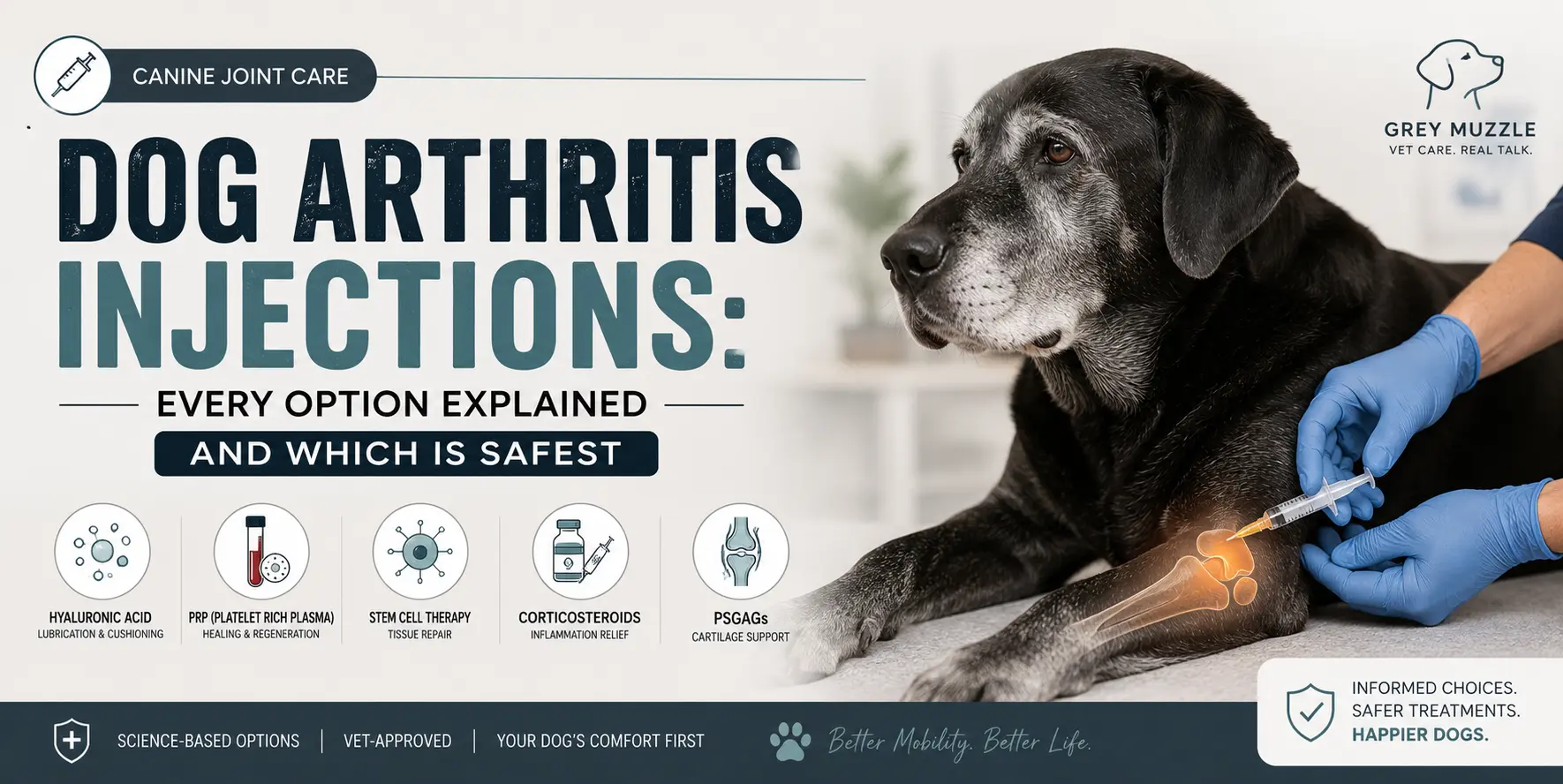
Dog Arthritis Injections: Every Option Explained and Which Is Safest
Confused about dog arthritis injections? Dr. Waleed explains every option — Librela, Adequan, steroids, PRP — what each one does, which is safest, and how to choose.